
Search Chattanooga Dissolution Of Marriage
Chattanooga Dissolution Of Marriage records are kept at the county level, even though the city has strong records and court portals of its own. Hamilton County Circuit and Chancery Courts hold the divorce file. City offices can help with open-records routing, court contact names, and public-facing portals, but they do not issue the divorce decree. That makes Chattanooga a two-step search in practice: start with city information if needed, then move to the county court for the actual record.
Chattanooga Quick Facts
Chattanooga Dissolution Of Marriage Records
Hamilton County keeps the actual divorce record for Chattanooga residents. The city portal helps with local contacts, but the court file belongs to the county. The Hamilton County government page says divorce records are maintained by the Circuit and Chancery Courts, and the city page confirms that residents turn to Hamilton County for divorce matters. That means the county clerk and court staff are the people who can give you the real decree or the right case number.
Chattanooga's city portal at chattanooga.gov is a good starting point when you want city services, local government contacts, or court routing. The image below shows that official Chattanooga portal.
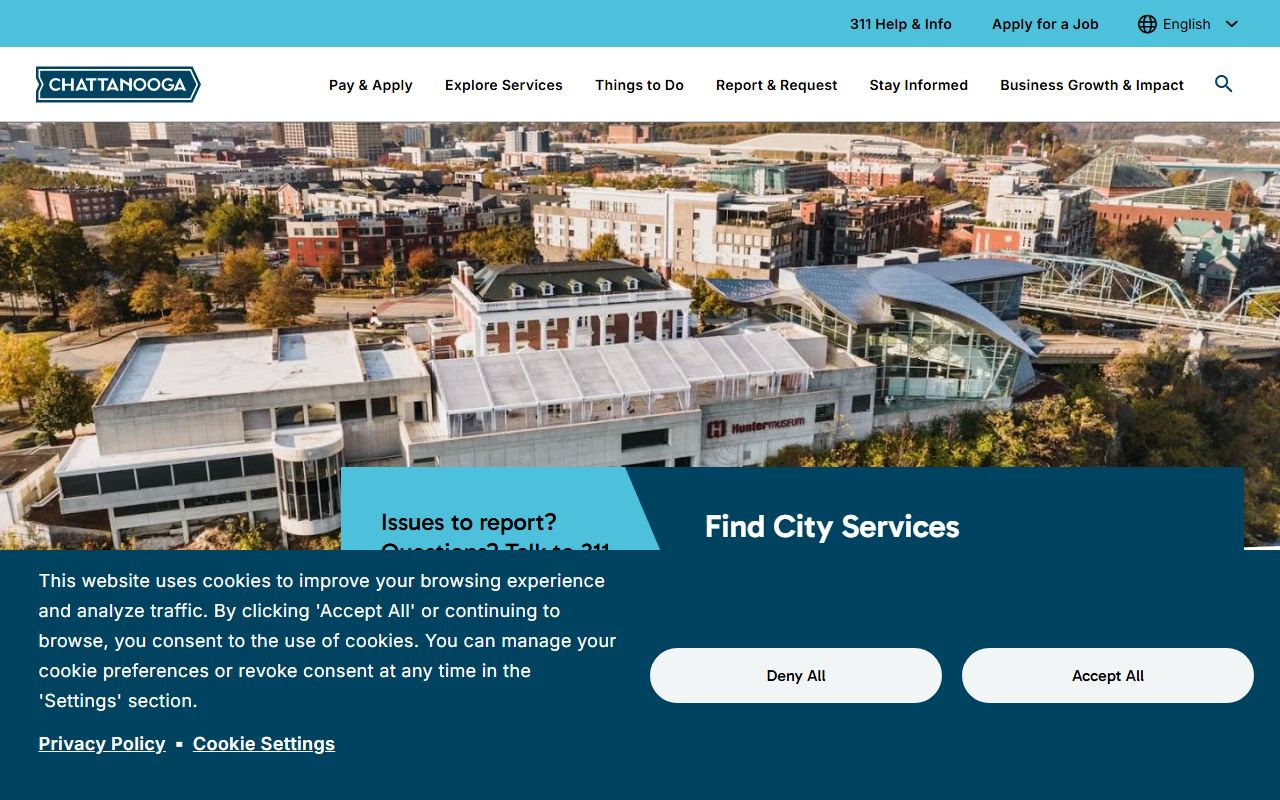
The city can point you in the right direction, but the divorce file still sits with Hamilton County.
City residents often ask the wrong office first. A quick city check is fine, but the county court is where the real search ends.
How to Search Chattanooga Records
For Chattanooga, the Hamilton County Circuit Court Clerk public inquiry portal is one of the most useful tools in the research. TennesseeCaseFinder gives 24/7 access to Circuit and General Sessions cases, and it can help you confirm whether a divorce file is still active in the county system. It also gives you a way to search before you walk into the courthouse. That saves time and cuts down on guesswork.
The county portal at hamiltontn.gov is the official route named in the research. Search by party name or case number if you already know it. If you only have a last name, county staff may still narrow the case, but the search will move faster if you know the filing year or court division. The portal is especially useful for recent matters and for checking case status before you request copies.
Use these details when you search in Chattanooga:
- Full name of one spouse
- Approximate year of filing
- County or court division if known
- Case number if you have one
Hamilton County also notes that some family-law records are public unless minors are involved. If you need a more complete copy, ask the clerk for the file rather than the docket only. That distinction matters when you want the papers that explain how the marriage ended.
Chattanooga Dissolution Of Marriage Offices
Chattanooga has several local offices that show up in a divorce search. The city clerk manages city records. The city attorney's office manages the records policy and retention schedule. The city court handles municipal ordinance and traffic matters. The county court clerk handles divorce. Each office has a real role, and none of them are interchangeable.
These are the key names and addresses from the research. They are the places most likely to matter when you need a Hamilton County divorce record or a Chattanooga public-record routing answer.
| Hamilton County Circuit Court Clerk | 625 Georgia Ave, Room 500, Chattanooga, TN 37402 Phone: (423) 209-6700 |
|---|---|
| Hamilton County Chancery Court | 625 Georgia Ave, Room 300, Chattanooga, TN 37402 Phone: (423) 209-6600 |
| Chattanooga City Clerk | Nicole Gwyn Phone: (423) 643-7170 Email: nsgwyn@chattanooga.gov |
| Chattanooga City Court | Ordinance, parking, traffic, and code violations only |
The county government portal at hamiltontn.gov is the best official county source for Hamilton County contacts and court services. The image below shows that county portal.
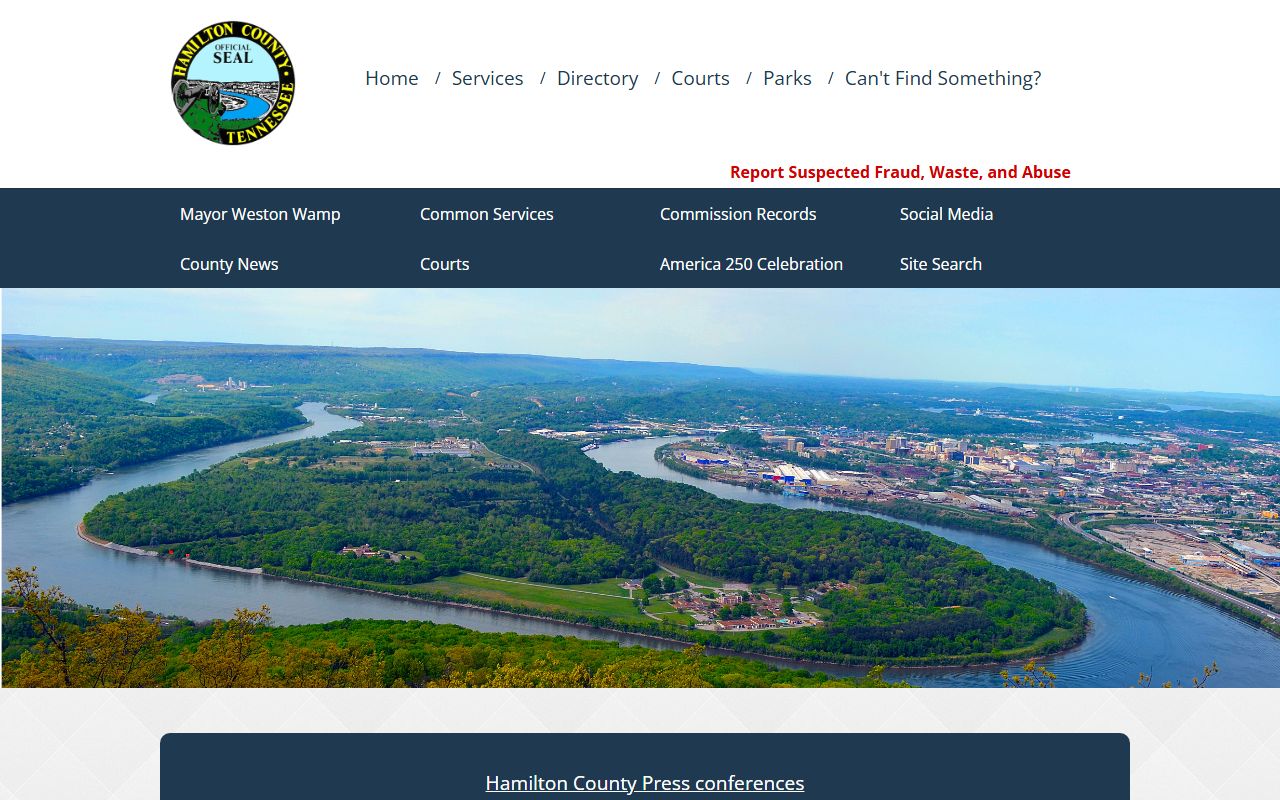
That portal is where many residents confirm the court location before they make the trip downtown.
Tennessee Dissolution Of Marriage Rules
Chattanooga divorce cases still follow the same Tennessee rules used everywhere else in the state. The residency rule matters first. If the grounds happened outside Tennessee, the filing spouse usually needs six months of Tennessee residence before filing. Tennessee also allows no-fault divorce on irreconcilable differences when both spouses sign the right agreement. Those rules shape what the Hamilton County clerk can accept.
The divorce statute chapter at law.justia.com lays out the grounds for divorce and the hearing timeline. Tennessee also requires a 60-day wait without minor children and a 90-day wait when children are involved. Chattanooga filers need those dates in mind if they want the court to hear the case on schedule. The waiting period is not a courtesy period. It is part of the process.
The Tennessee Supreme Court approved divorce forms at tncourts.gov are a practical option for agreed divorces. They help couples understand what the court wants before they file. For Chattanooga residents who are handling the case on their own, the forms can keep the filing cleaner and cut down on trips back and forth.
The Tennessee Public Records Act also matters here. Court records are often open to public inspection unless a rule or order restricts part of the file. That is why Chattanooga residents can usually ask the county court for the file, not just the final decree.
Chattanooga Dissolution Of Marriage Certificates
If the county file is not the only thing you need, the Tennessee Office of Vital Records can issue a divorce certificate. That certificate is a shorter proof record. It confirms the divorce but does not show the whole case history. For a Chattanooga resident, the county decree is still the better record if you need court language, property terms, or custody terms.
The state office keeps divorce records for 50 years. Older records move to the Tennessee State Library and Archives. The Tennessee Department of Health page at tn.gov explains the ordering choices, while the CDC Tennessee page repeats the 50-year rule and tells requesters where to go if the divorce happened outside the state. The fee schedule in law.cornell.edu confirms the copy fee used for certified records.
For older Chattanooga files, TSLA at sos.tn.gov is the archive path to check. It is the place that receives records after the state retention period ends. That makes the state archive a real backstop when a family needs to trace a long-ago dissolution.
Note: If the case is recent, start with Hamilton County. If it is older than 50 years, move to the state archive path and ask for the historical record trail.
Chattanooga City Records and Help
Chattanooga's city records system is useful when you need city contact names or open-records routing. The city attorney's office manages the records retention policy, and the open records portal at chattanooga.gov/openrecords is the public request path. The city court also keeps a records search portal for local violations. None of that replaces the county court file, but it helps if you need a city office response first.
The city court page at chattanooga.gov is where residents look for municipal citations and docket searches. If your problem is a parking ticket or code issue, that is the correct place. If the issue is a dissolution file, move back to the county court. Chattanooga does not keep divorce records in city court.
For legal help, the Tennessee Court System site and the Tennessee Bar Association resources are the best statewide starting points. They can help you find forms, understand the process, and decide whether you need to speak with a lawyer before filing. City staff can route records, but they cannot give legal advice.
That split between city records and county divorce records is the main thing to remember in Chattanooga.
Chattanooga Dissolution Of Marriage Follow-Up
When you search Chattanooga Dissolution Of Marriage records, the cleanest path is city information first, county court second, and state records last if you need a certificate or archive copy. That order follows how the records are actually stored. It keeps you from calling offices that only handle city violations or general records routing.
Use the county case finder, the city portal, and the state vital records page together. That combination covers most Chattanooga searches without wasted steps.