
Locate Bledsoe County Dissolution Of Marriage
Bledsoe County Dissolution Of Marriage records need a careful search because the county lost a lot of early material to courthouse fires. The local offices still keep the modern file trail, but the older record story is broken in places. That means you may need to move from the courthouse to the county clerk, then to the Tennessee State Library and Archives, and finally to the state vital records office if you only need proof that the divorce happened. The good news is that the surviving record trail is still strong enough to work with.
Bledsoe County Quick Facts
Bledsoe County Dissolution Of Marriage Records
Local records in Bledsoe County are split across the Circuit Court Clerk, the Clerk & Master, and the County Clerk. The Bledsoe County Circuit Court Clerk keeps the divorce record trail. The Bledsoe County Clerk & Master handles Chancery Court work. The Bledsoe County County Clerk is another useful contact for county records and office directions. That matters because divorce files can touch more than one office, especially when the case also involves property or later record references.
Bledsoe County’s history is the real reason the search needs patience. The county suffered courthouse fires in 1882, 1895, and again in 1908. Early marriages between 1807 and 1907 were lost, as were pre-1884 wills and the earliest deed books. Some deeds and court records survived, which helps, but you should still expect gaps. If you are tracing an old divorce, that fire history is not a side note. It is part of the record search itself.
What survived is still useful. Divorce records are maintained by the Chancery Court Clerk, county registrations began in 1908 for marriage, and county registrations began in 1909 for birth and death. Land deeds began in 1808. Those dates make Bledsoe County a mixed record county. Some files are modern and easy to reach. Others need a second source and a calm search plan.
The Tennessee Court System page gives the state-level court structure that Bledsoe County divorce work sits inside.
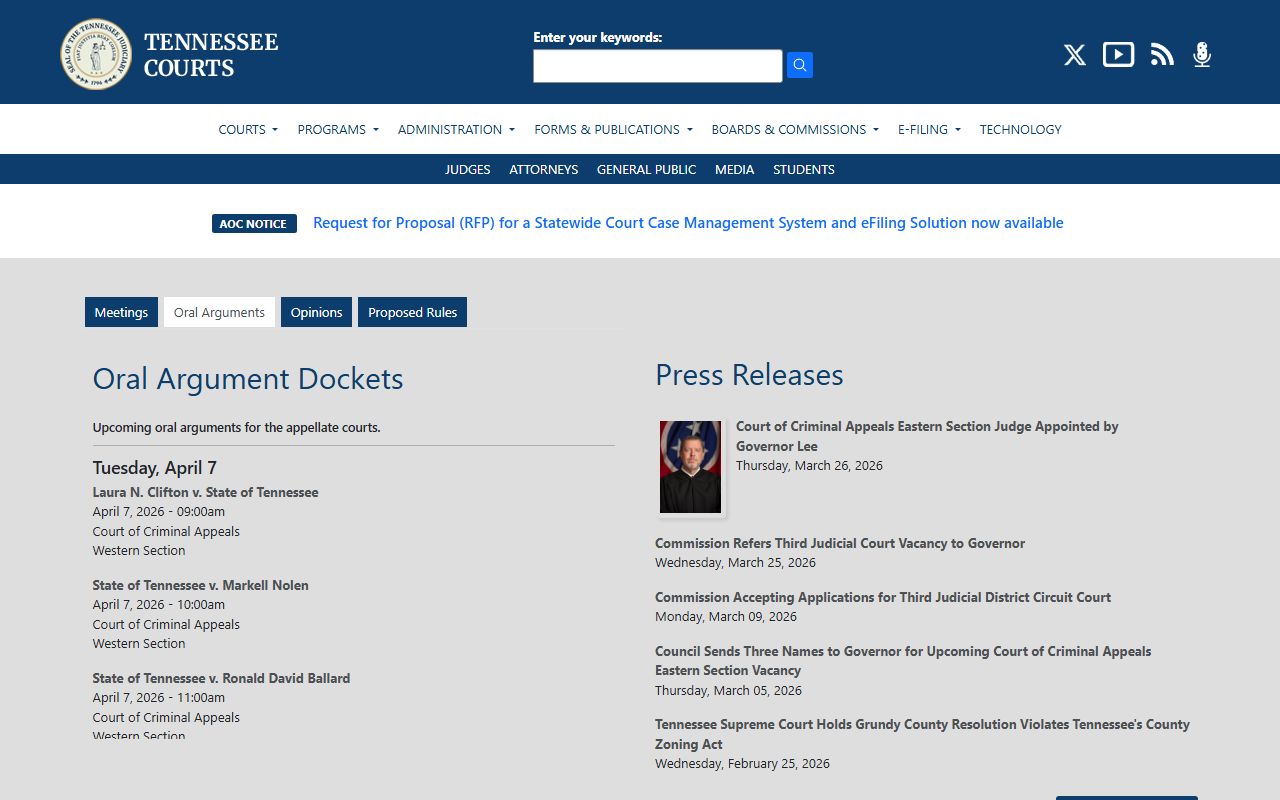
Use it to understand how the county clerk, Chancery Court, and circuit court pieces fit together.
How to Search Bledsoe County Dissolution Of Marriage
Start with the local courthouse in Pikeville. The Circuit Court Clerk, Clerk & Master, and County Clerk can tell you which office has the file or where to begin the pull. If the divorce is old, ask whether the record has been moved to archived material or microfilm. That is a smart question in Bledsoe County because the courthouse fires changed what survives in the building.
Then move to the state archive if the courthouse search is thin. The Tennessee State Library and Archives holds Bledsoe County microfilm for multiple record sets, including chancery loose records, circuit loose records, county clerk marriages and minutes, probate records, and register of deeds rolls. That makes TSLA the main backup for older Bledsoe County history. A local clerk may tell you to go there directly if the record is too old for the counter file.
To search a Bledsoe County Dissolution Of Marriage record, gather these items first:
- Full name of either spouse
- Approximate year of the divorce
- Case number, if you have it
- Whether you need the full decree or just proof of the event
The Tennessee State Library and Archives is especially important here because the county fire losses make the archive a real research tool, not just a backup plan.
Note: In Bledsoe County, an older divorce search can move from the clerk to TSLA very quickly, so keep your names and dates tight from the start.
Bledsoe County Dissolution Of Marriage Filing Steps
Filing in Bledsoe County still follows Tennessee divorce law. The complaint starts the case. The other spouse must be served. The court then tracks the file through any response, any agreement, and the final decree. The local office does the filing, but the state law decides the legal path. That is why Bledsoe County researchers should keep the court office and the statute in mind at the same time.
T.C.A. § 36-4-104 covers residency and T.C.A. § 36-4-101 covers divorce grounds and waiting periods. Tennessee also allows agreed divorces when the spouses can resolve the major issues and file the right paperwork. If the case is uncontested, the file can stay short. If it is disputed, the record gets much larger and the clerk may see more than one hearing paper.
The county clerk and clerk & master can help you identify where the filing belongs. If you are not sure whether the case was in Circuit or Chancery Court, ask before you submit a request. That single detail can save a lot of time in Pikeville.
The Tennessee Supreme Court divorce forms page is useful for agreed divorces. It shows the approved packet and gives you a clean picture of what should be in the file before you ask the county for copies.
What Bledsoe County Dissolution Of Marriage Files Show
Bledsoe County files can be uneven because of the fire losses, but they still tell a lot. Surviving divorce files may include the complaint, response, service papers, agreement, hearing notices, and the final decree. Loose records at TSLA can also add names, dates, and other court clues. That means you should not stop at the first office that says the courthouse file is thin. There may be another copy or another reference waiting on microfilm.
The TSLA microfilm sets are especially valuable. Research notes that Bledsoe County records available on microfilm include chancery loose records, circuit loose records and index, county clerk marriages and minutes, probate records, and register of deeds rolls. That gives you several paths into the same family story. If a divorce file is partial, a marriage minute or probate item can still help fill the gap.
The county’s surviving records are good enough to support serious research, even with the losses. Deeds and court records escaped the fires, and that gives you another layer of proof. In a county like Bledsoe, the search is less about one perfect file and more about putting together a clean chain from the parts that survived.
The Tennessee Office of Vital Records page is the state source for a shorter divorce certificate if you only need proof that the marriage ended.
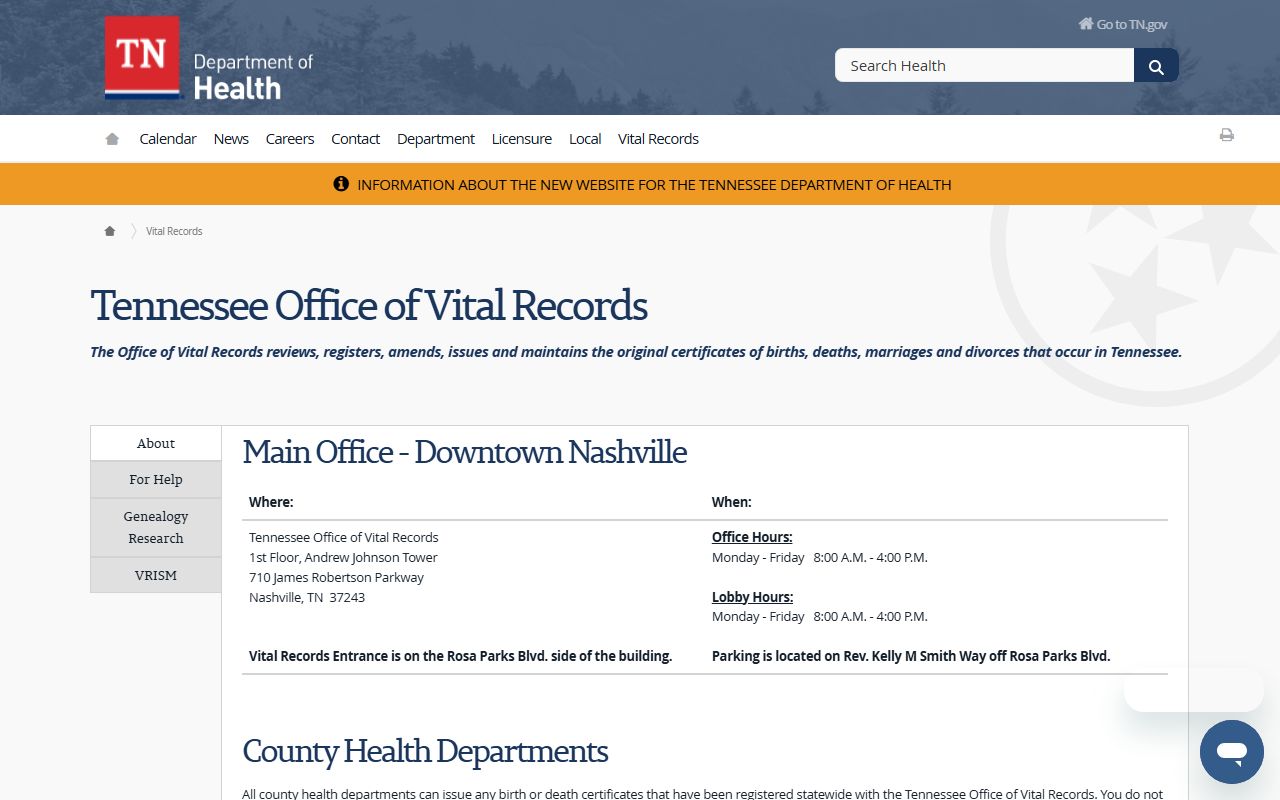
That path is useful when the county decree is not necessary and you only need a certified event record.
Bledsoe County Dissolution Of Marriage Fees and Copies
Copy fees in Bledsoe County should be confirmed with the office before you go. The Circuit Court Clerk, Clerk & Master, and County Clerk can tell you the current charge for copies and whether certified copies cost extra. Because the county records are split across offices, a simple phone call can save you a second trip to Pikeville.
For state certificates, Tennessee Vital Records charges $15 per copy. That fee applies to divorce certificates, not the full county case file. If you need the decree, a state certificate is not enough. If you only need proof of the divorce itself, the certificate may be all you need.
The Tennessee fee regulation schedule explains that search and copy charges can still apply even when the record is not found. That is especially important in Bledsoe County, where fire losses can make the search more complex than the final answer.
When you order from the county, be ready with exact names and the best date range you have. In a county where early records were damaged or lost, a narrow search is the most efficient search.
Public Access to Bledsoe County Dissolution Of Marriage
Most Bledsoe County divorce records are public, but public does not always mean easy. Some files are in the courthouse, some may be on microfilm at TSLA, and some may need a public records request to reach the right office. The fire history makes that split normal. If one office does not have the file, the next office in the chain may.
The Tennessee Public Records Act guidance helps set the timing for a request. If the file is not ready right away, the custodian should act within seven business days. That rule is useful whether you are asking for a courthouse copy or a state archive pull. It gives you a fair timeline and a clear follow-up point.
Bledsoe County public copies may still have redactions. That is normal. Financial numbers, Social Security numbers, and child-sensitive items can be hidden. The rest of the file is often still open. Ask before you assume a record is sealed. A quick question can tell you whether you need a plain copy, a certified copy, or an archive pull.
Note: Bledsoe County is one of those places where the public record is open, but the route to it is part courthouse search and part archive search.
Legal Help for Bledsoe County Dissolution Of Marriage
If you are filing on your own, the state court forms are the cleanest place to begin. The Tennessee Supreme Court divorce forms page shows the approved packet for agreed cases, and the Tennessee Court System explains how Tennessee courts handle divorce cases. Those pages help you understand the case structure before you ask Bledsoe County for records.
If the case is disputed or involves property, children, or a history of record loss, a lawyer can be worth the cost. The county office cannot give legal advice, but it can tell you which office has the file. That alone is useful when you are trying to match the case file to the right court division.
Bledsoe County researchers also benefit from TSLA and the county clerk offices when a legal question turns into a records question. The file might start with a divorce decree and end with a marriage minute, probate note, or deed reference. That is why Bledsoe County searches often take more than one stop.
Related Bledsoe County Records
Related records matter more in Bledsoe County than in many places because of the courthouse fires. Land deeds begin in 1808, county marriage registration begins in 1908, and county births and deaths begin in 1909. Those record lines can help you fill gaps around a divorce file that no longer survives in one piece. TSLA microfilm adds another layer if the courthouse file is missing or thin.
The county seat is Pikeville, and the courthouse location at 3150 Main Street is the place to begin if the record is recent. For older material, TSLA may be the faster answer. Start local, then move outward if the file is hard to find.