
Fentress County Dissolution Of Marriage
Fentress County Dissolution Of Marriage records are centered in Jamestown, where the county seat and the local court work bring the record trail together. The county is one of the older Tennessee counties, so older marriage books and archive material can matter just as much as the courthouse file. If you know the spouses and a rough date, the search becomes easier right away. A recent divorce request may begin with the county clerk or the state vital records office, while an older record may require a look at the Tennessee State Library and Archives before you get the full story.
Fentress County Quick Facts
Where To Find Fentress County Dissolution Of Marriage Records
The county court page at tennesseecourts.org/fentress-county is the local entry point for Fentress County Dissolution Of Marriage records. The research says the Circuit Court Clerk is the official custodian and the Chancery Court handles divorce proceedings. That means the county file is the main record path when you need the complaint, response, decree, or other case papers. A state certificate is a shorter record. It proves the divorce occurred, but it does not replace the full court file when you need the detailed record trail.
Fentress County was created in 1823 from Morgan, Overton, and White Counties. That county history can matter when a family line crosses old county boundaries or when a marriage date predates the file you are looking for. The research also says the county clerk has marriage records from 1867. That is a useful clue because it gives you a place to anchor the marriage before the divorce. If the case is old, those records can help narrow the search window before you ask the clerk or the archive for copies.
The county court page keeps the Fentress County search grounded in the right office from the start.
The Fentress County court page is the best local place to confirm current court contact and record procedures.
How To Search Fentress County Records
Fentress County searches work better when you give the office a short, focused request. Use the spouse names. Add the filing year if you know it. If you know whether the divorce was agreed or contested, include that too. Recent records usually start with the county clerk or the state office. Older records may take a second step through TSLA. A clear request keeps the search tight and helps the clerk tell you whether the file is active, archived, or better handled through the state certificate route.
The Tennessee Supreme Court forms page at tncourts.gov/node/622453 is useful because it shows the forms used in agreed divorce cases. That matters in Fentress County because a quiet, agreed case can have fewer papers than a contested case. If you are trying to determine what should be in the file, the forms packet gives you a solid outline. It also helps you know whether a marital dissolution agreement or a final hearing notice should be part of the case folder you ask to see.
Simple details make the clerk's job easier and keep the search on track.
Fentress County Dissolution Of Marriage Files
A Fentress County divorce file may include the complaint, the answer, any agreement between the spouses, the decree, and other court papers tied to support, property, or children. That is why the county file is more complete than a state certificate. The certificate shows that the divorce happened. The courthouse file shows how it happened. If the case was contested, you may also see motions, orders, and notices. If it was agreed, the paper trail may be shorter but still useful.
The Tennessee divorce code at law.justia.com/codes/tennessee/title-36/chapter-4/ explains the rules that shape the record. Residency, waiting periods, grounds, and property division all affect the papers a county court keeps. That is true in Fentress County just like it is elsewhere in Tennessee. When you know the legal rule, it gets easier to tell whether the file you have is complete or whether another record may still exist in the courthouse or archive path.
Fentress County files usually make more sense once you pair the court papers with the divorce rules behind them.
State Sources For Fentress County Records
The Tennessee Court System at tncourts.gov is the statewide court source for Fentress County users who need forms or a court structure explanation. For a certified divorce certificate, the Tennessee Office of Vital Records at tn.gov/health/health-program-areas/vital-records.html is the official source. The research says Tennessee keeps divorce records there for 50 years and then transfers older records to the Tennessee State Library and Archives. That means the state office is the recent-record stop and TSLA is the older-record stop.
The CDC Tennessee page at cdc.gov/nchs/w2w/tennessee.htm restates the same Tennessee retention rule and ordering basics. That is helpful when you want a second official guide before mailing a request. If the Fentress County file is older than 50 years, TSLA at sos.tn.gov/products/tsla is the archive lead to use next. The archive is where older divorce records and microfilm can still support a family history search or a long-delayed records request.
The Tennessee Court System page is the right place to confirm the court-side rules behind a Fentress County dissolution search.
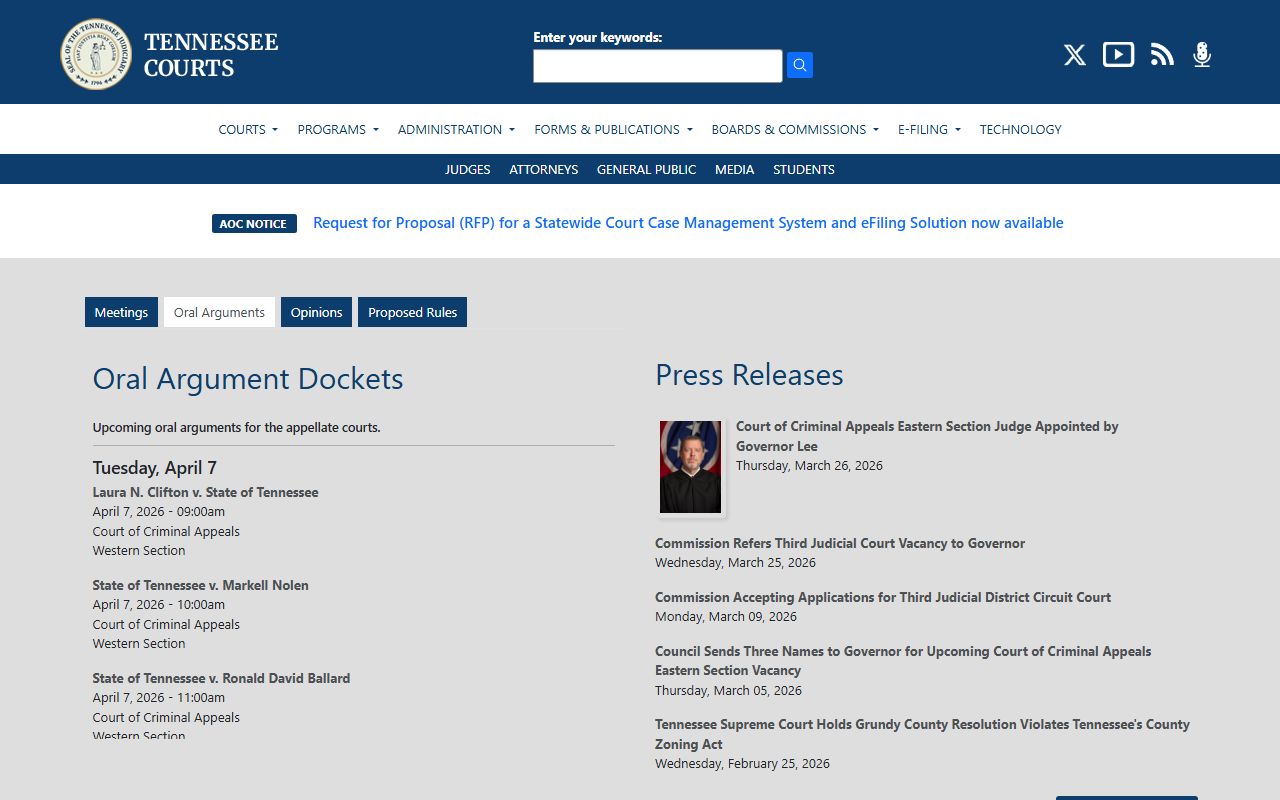
That court system page is a practical way to confirm how Tennessee divorce cases are handled before you request a record.
Fentress County Dissolution Of Marriage Copies
When you ask for copies in Fentress County, match the request to the record type. The research says valid identification must accompany Tennessee vital records requests, and county offices also require forms and fees for certified copies. If you are ordering a state certificate, the fee schedule in Tenn. Comp. R. & Regs. 1200-07-01-.13 is the rule to check. It covers the search charge and the copy charge, and the search fee can still apply if the record is not found. That is an important part of the Tennessee system.
For the county file, ask whether you need a plain copy, a certified copy, or the full packet. If the file is old, the clerk may have to pull it from storage or send you toward the archive path. A short request saves time, especially if the office has to look through older record books. The county seat in Jamestown is another useful anchor because it points you to the local office that is most likely handling the file. If you have a case number, include it. If not, the spouse names and year are usually enough to get started.
Good copy requests are narrow, specific, and easy to verify.
Public Access And Court Rules
Tennessee public access guidance at comptroller.tn.gov/office-functions/open-records-counsel/ explains how public records requests work. Fentress County divorce files are generally public, but the public copy may be redacted or sealed in part when children or private financial material are involved. That is normal. It protects sensitive details while leaving the case record open enough for public review. The records custodian also has a seven business day window to respond when prompt production is not practical.
The Tennessee divorce rules at Title 36, Chapter 4 also set the waiting period and the overall case structure. Tennessee requires 60 days when there are no minor children and 90 days when there are minor children. The approved forms page at tncourts.gov/node/622453 gives the official paperwork path for agreed cases. If you need support with a divorce filing or a records question that has become a legal problem, the bar resource link in the research is a practical place to start looking for help.
Access is public, but the exact papers can still shift with the case facts.
Fentress County Historical Records
The county marriage books from 1867 are a strong starting point for Fentress County research. They can show that the marriage happened before the dissolution and can help you anchor the family timeline. That matters when the divorce date is not known or when an old file is hard to locate. The county seat at Jamestown gives you the local office anchor, and the county history helps you understand why older records may cross from one office or storage place to another. Small details like that often make the search possible.
Fentress County follows the same Tennessee path as the rest of the state. County court first. State certificate second. TSLA third. That order keeps the search focused and saves time when you are not sure which record still exists. If the case is recent, the county office and state office should be enough. If it is old, the archive path may be where the best paper trail lives. Once you know the names, the year, and the office, the search becomes much more manageable.
Note: Older Fentress County divorce records may sit in archive holdings even if the courthouse file is no longer active.