
Franklin County Dissolution Of Marriage
Franklin County Dissolution Of Marriage records are usually easiest to start in Winchester, where the county court office handles the local file trail. That is the best first step when you need a decree, a filing date, or a clerk copy. The state office can help when you only need a certificate, and older files may show up in archive or index work instead of the active courthouse. A search goes faster when you know the spouse names, a rough year, and whether you need a court record or a state record.
Franklin County Quick Facts
Franklin County Dissolution Of Marriage Records
Franklin County keeps dissolution work at the county level first. The Circuit Court Clerk is the official custodian, and the Chancery Court handles divorce proceedings. That split matters because the full case file sits with the court that heard the case, while the state certificate sits in Nashville. Winchester is the county seat, and the county was created in 1807 from Rutherford County. It was named for Benjamin Franklin, which is useful context when you build a local history trail.
The county research also points to an Ancestry database with Divorce Records 1860-1939 and an index from 1900-1942. That kind of index is handy when the courthouse file is thin or when you are starting with a family name and a broad date range. Franklin County marriage records go back to 1838, so a marriage book can help anchor the union before you move into the divorce file. That is often the fastest way to separate the marriage event from the later dissolution record.
The county court page at tennesseecourts.org is the best local starting point for Franklin County Dissolution Of Marriage searches.
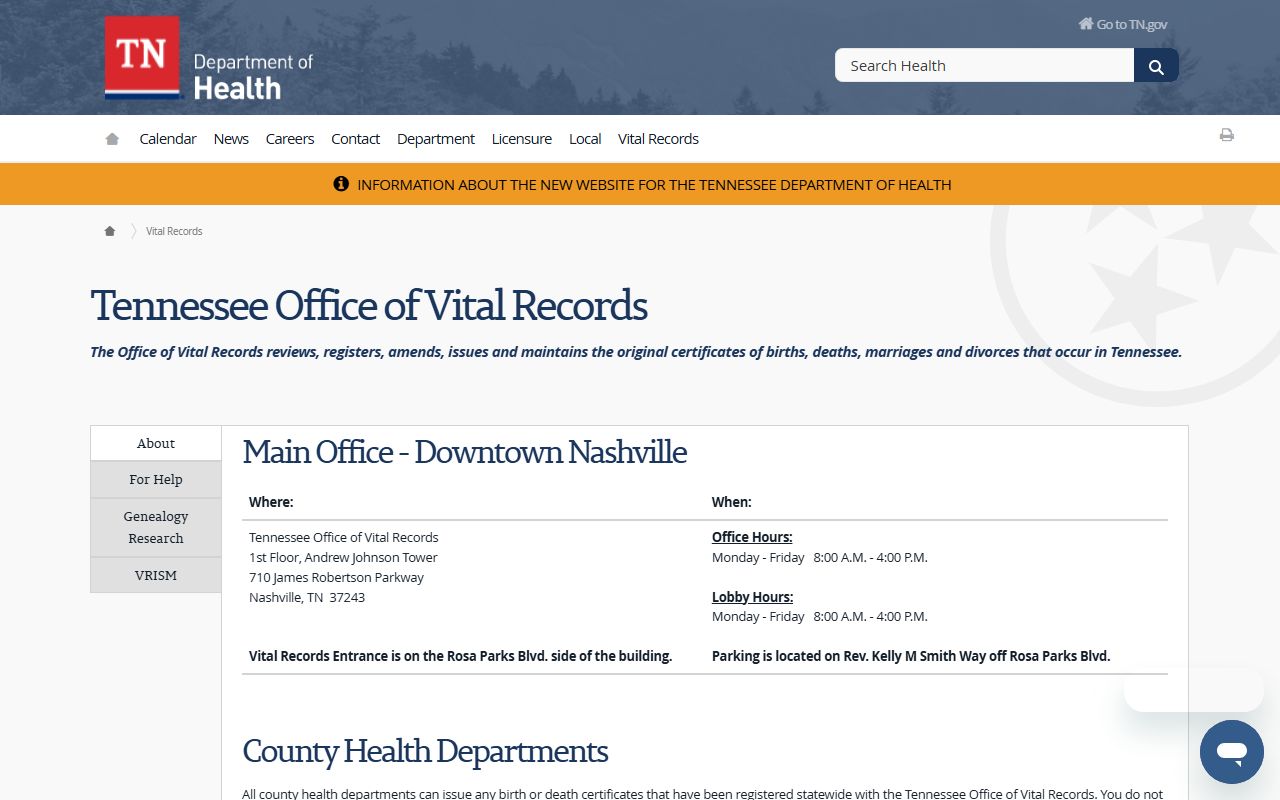
That Tennessee vital records page is the right fit when you only need a certified divorce certificate instead of the full county file.
How To Search Franklin County Dissolution Of Marriage
A Franklin County search works best when you begin with the local court office and then widen the search if needed. Full spouse names matter. A rough filing year helps more than most people expect. If the case is old, the county clerk marriage record can help confirm the marriage first, then the court file can confirm the divorce. If the case is recent, the Circuit Court Clerk should be able to guide you toward the file or tell you which division handled it.
The Tennessee Court System at tncourts.gov gives the statewide court structure behind Franklin County records. That matters because Tennessee divorce cases can move through Circuit Court or Chancery Court, depending on local practice and the kind of case filed. If you are checking whether a divorce was agreed or contested, the court forms page at tncourts.gov/node/622453 is also useful. It shows the packet used for agreed divorces and helps you compare the paperwork you expect to see in the file.
Have these details ready before you call or visit.
- Names of both spouses
- Approximate filing year
- Whether you need a decree or a certificate
- Any case number or attorney name you know
That small set of facts is often enough to get a clean first answer from the clerk.
Franklin County Dissolution Of Marriage Files
The county file is the most complete Franklin County record. It can hold the complaint, the answer, any agreed papers, temporary orders, and the final decree. That makes it the better choice when you need to know what the court actually decided. A state certificate proves the event, but it does not show the terms. If the divorce involved property, children, or support, the court file is the one that matters.
Those papers also reflect the Tennessee rules that shape divorce cases statewide. The grounds, residency rule, waiting period, and property rules live in T.C.A. Title 36, Chapter 4. Franklin County cases can show whether the parties used irreconcilable differences or a fault ground. They can also show whether the case moved quickly or needed a full hearing. The file tells you what happened, not just that a divorce happened.
Note: Older Franklin County divorce work may split between the courthouse, the state certificate office, and indexed historical sources, so a single search may not finish the job.
Franklin County Dissolution Of Marriage Fees
Fees in Franklin County depend on the record you want and which office has it. The state certificate fee is controlled by Tennessee vital records rules. Under Tenn. Comp. R. & Regs. 1200-07-01-.13, the search and copy charge is $15, and the fee can still apply if the record is not found. That rule matters because a paid search does not guarantee a located file.
Tennessee vital records also require valid identification with the request, and mail requests usually need a check or money order. If you want the certificate faster, the approved vendor is VitalChek, but the county court file still belongs to the local clerk. Franklin County residents should call the Circuit Court Clerk for the current procedure before asking for certified court copies. County and state offices do not always use the same forms or the same fee sheet.
State Sources For Franklin County Records
The Tennessee Office of Vital Records at tn.gov is the official source for Tennessee divorce certificates for the first 50 years after the event. After that, older records move to the Tennessee State Library and Archives at sos.tn.gov. That handoff matters in Franklin County because older cases may be easier to find in archives than in active court files. The archives keep historic Tennessee collections, including older county records and research materials.
The CDC Tennessee page at cdc.gov repeats the same record-retention rule and helps confirm payment and ID basics for Tennessee requests. If you are unsure whether you need a county file or a state certificate, those two official state sources usually answer the first question. They also give you a cleaner way to decide whether to file a search request with the county or with the state office first.
Public Access And Related Records
Franklin County Dissolution Of Marriage records are generally public, but the exact copy you get may still have redactions. Tennessee public records rules give requesters a path to inspect county records, and the county courts can hide sensitive lines when the law calls for it. The Office of Open Records Counsel at comptroller.tn.gov explains the response framework, including the seven-business-day rule when a record is not ready right away.
Franklin County marriage records are also a useful companion source. The county clerk keeps marriage books from 1838, which helps when you are tracing a marriage before the divorce. If you are building a complete family or legal trail, start with the county file, then check the state certificate, then move to the archives if the record is old. That order keeps you from paying for the wrong version of the same event.
Note: Public access is broad, but sealed documents and child-related details can still be limited in Franklin County court copies.