
Search Gibson County Dissolution Of Marriage
Search Gibson County Dissolution Of Marriage records when you need the county file, a divorce certificate, or an older record trail tied to Trenton. The county clerk is the local place to start, but the court division matters because the Chancery Court handles divorce proceedings and the Circuit Court Clerk is the official custodian. A good first search uses the spouse names, an approximate year, and the record type you need. That keeps you from ordering a certificate when you really need the decree.
Gibson County Quick Facts
Gibson County Dissolution Of Marriage Records
Gibson County keeps dissolution records at the county level first. The Circuit Court Clerk is the official custodian, and the Chancery Court handles divorce proceedings. That means the full file is still local even when the state certificate is easier to order. Trenton is the county seat, and the county was created in 1823 from the Western District. Those facts help when you are sorting out which office likely holds the case and how far back the local record trail may go.
Gibson County marriage records go back to 1824, which gives researchers a useful anchor when a divorce date is missing. If you have a marriage date but not the divorce date, the county clerk record can help you tie the couple to the local court file. For older materials, the research points to the Tennessee State Library and Archives. That makes Gibson County a good example of the county, state, and archive chain that shows up in Tennessee family law work.
The county court page at tennesseecourts.org is the best local starting point for Gibson County Dissolution Of Marriage searches.
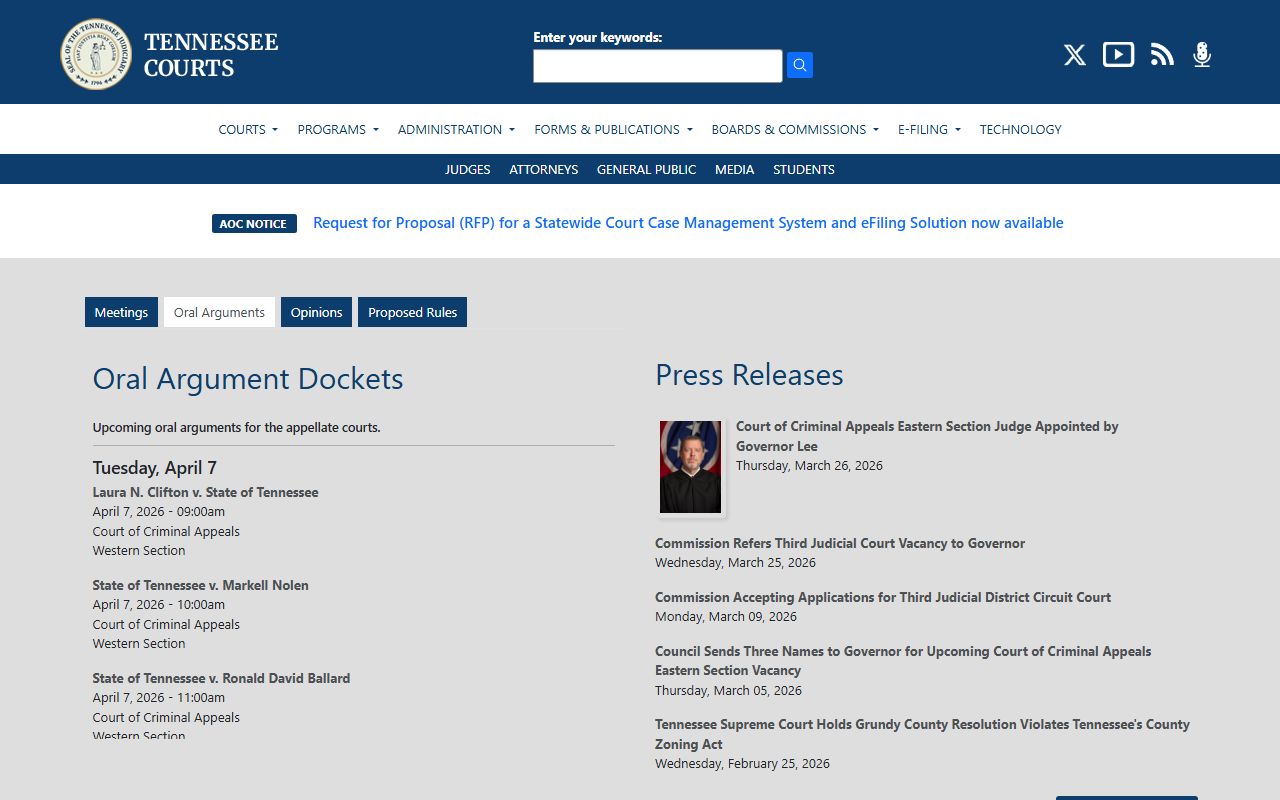
That court system page helps you confirm where a Gibson County divorce case should have been filed and copied.
How To Search Gibson County Dissolution Of Marriage
A Gibson County search is easiest when you start with the local clerk and keep your request tight. Names help. A year helps. A case number is even better. If the divorce is recent, the county office should be able to tell you whether the file is active, archived, or still held in the court room. If the divorce is old, the state office may have only the certificate while the archive may hold the stronger historical copy.
Tennessee court structure still matters here. The Tennessee Court System at tncourts.gov explains how Circuit Court and Chancery Court share divorce jurisdiction. The court forms page at tncourts.gov/node/622453 is also useful because it shows the packet used for agreed divorces. If the file you are seeking was uncontested, the paperwork may be lighter and easier to recognize. If it was contested, you may see more motions, orders, and service papers in the file.
Bring a short request with the basics.
- Both spouses' names
- Approximate filing year
- Whether you need the decree or the certificate
- Any case number or attorney name
That gives the clerk enough to narrow the right Gibson County record path quickly.
Gibson County Dissolution Of Marriage Files
The Gibson County court file is the record with the most detail. It can include the complaint, the answer, a marital dissolution agreement, hearing notices, service returns, and the final decree. That is why the county file is so useful for legal proof and family history. A state certificate is shorter. It confirms the event, but it does not show the court's terms. If you need to know how the case ended, the county file is the one to ask for.
The Tennessee divorce laws in T.C.A. Title 36, Chapter 4 explain the grounds, residency rule, waiting periods, and property rules that shape Gibson County case files. Those rules matter because they affect what got filed and how long the case stayed open. A no-fault case often looks different from a fault-based case, and the file can show that difference plainly. If the case had children or property, the file usually gets thicker.
Note: If you need the exact terms of a Gibson County divorce, ask for the court decree first and the state certificate second.
Gibson County Dissolution Of Marriage Fees
Gibson County requests may involve both county and state fees. The state fee schedule at Tenn. Comp. R. & Regs. 1200-07-01-.13 sets the vital records search and copy fee at $15. That fee can still apply even if the certificate is not found. The rule also helps explain why a search request is not the same thing as a successful record pull.
The Gibson County research also says valid identification must accompany all requests. That is a state requirement that shows up again and again in Tennessee vital records work. If you need a certified copy from the local court office, call ahead and ask what the clerk wants. County offices can have their own forms, their own office hours, and their own copy rules. A quick phone call can save you a second trip to Trenton.
State Sources For Gibson County Records
The Tennessee Office of Vital Records at tn.gov is the official source for Tennessee divorce certificates during the first 50 years after the event. Once records age out of that window, the Tennessee State Library and Archives at sos.tn.gov becomes the next stop. That matters in Gibson County because older files may no longer sit in the active courthouse even though the marriage and divorce still have a paper trail somewhere in Tennessee.
The CDC Tennessee page at cdc.gov confirms the same retention rule and gives another official reference point for Tennessee requesters. If you are not sure whether you need a county decree, a state certificate, or an archive hit, those two state pages are enough to narrow the search. They also help when a local office tells you to look in Nashville before coming back to Trenton.
Public Access And Related Records
Gibson County Dissolution Of Marriage records are generally open to the public under Tennessee records rules, but some lines in a file may still be hidden. The Office of Open Records Counsel at comptroller.tn.gov explains the public-record process and the seven-business-day response framework. That helps when you submit a county request and do not get a same-day answer.
Gibson County marriage records from 1824 can also help you build the timeline before the divorce. When the marriage record is easy to find and the divorce is not, the county clerk book often becomes your best starting point. If the county file is old enough to have moved out of active storage, ask about archive records before you stop. That is often the difference between a failed search and a clean one.
Note: Public access is broad, but sealed items and child-related details can still be limited in Gibson County court copies.