
Greene County Dissolution Of Marriage
Greene County Dissolution Of Marriage records usually start with the local court file in Greeneville, then move to the state certificate office or the archives when the record is older. Greene County searchers often need a decree, a filing history, or a short proof record, and each one sits in a different place. The county clerk has marriage records going back to the county's earliest years, which helps tie a marriage to a later divorce. If you know the spouse names and a rough year, you can move through Greene County records with less guesswork and fewer dead ends.
Greene County Quick Facts
Greene County Dissolution Of Marriage Records
The main county starting point is the Greene County court page at tennesseecourts.org/greene-county. The research identifies the Circuit Court Clerk as the official custodian and notes that the Chancery Court handles divorce proceedings. That matters because the full court file is the best Greene County source when you need pleadings, decrees, or the document trail behind a case. The county court record is more detailed than the state certificate, so begin with the office that matches the document you want.
Greene County was created in 1783 from Washington County, and the county clerk has marriage records from that same year. That long record span makes Greene County useful for family history as well as current case work. If a divorce is recent, the courthouse is usually the right first stop. If it is older than 50 years, Tennessee's state archive path becomes more important. A clear year and a name can cut the search time in half.
The Tennessee Office of Vital Records page at tn.gov explains the state certificate path for Greene County Dissolution Of Marriage searches.
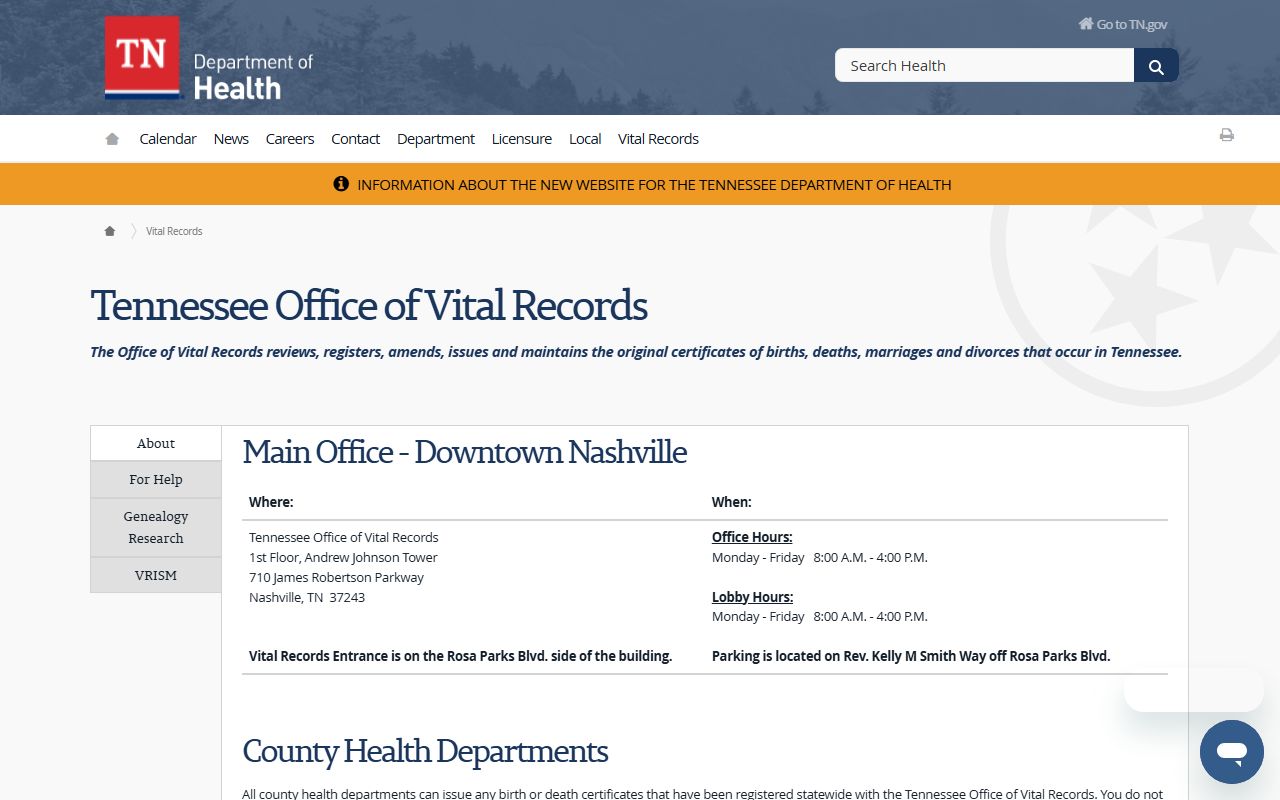
That state office is the cleaner route when you need a certified divorce certificate instead of the full Greene County case file.
How to Search Greene County Records
Search work goes faster when you arrive with a short, focused request. Greene County records staff can do more with exact names, a case number, or even an approximate filing year. The Tennessee Court System can also help with statewide court structure and forms, which is useful when you want to confirm what kind of divorce was filed. A no-fault case often leaves a smaller paper trail than a contested file, and that changes what the clerk may need to pull.
Greene County searchers should also keep the Tennessee Supreme Court approved forms page at tncourts.gov/node/622453 in view. Agreed divorce packets, marital dissolution agreements, and final orders can all show up in a Greene County file if the case was uncontested. The forms page is not the record itself, but it helps you recognize the documents when the clerk hands them over. That makes the search easier to follow and easier to explain.
Bring the basics when you ask for Greene County help.
- Full names of both spouses
- Approximate filing year or divorce date
- Case number, if you have it
- Whether you need a decree or a certificate
A short, direct request is the fastest way to get the right Greene County record.
Greene County Dissolution Of Marriage Files
The court file is where Greene County divorce history lives in full. A complaint starts the case. The other spouse may answer. A marital dissolution agreement may appear in an agreed divorce. The final decree closes the case. If children, support, or property are involved, the file can also include parenting material, support orders, and other papers that explain the full result. The state certificate will not show all of that, which is why the courthouse file matters when the record must say more.
Tennessee divorce law in Title 36, Chapter 4 shapes those files. The rules on grounds, residency, and waiting time determine how the case moved through Greene County court. A fault-based file can be thicker and more contested. A no-fault file may be brief and organized around an agreed order. Knowing that difference helps you read the Greene County record once you have it in hand.
The Tennessee divorce statutes page at law.justia.com gives context for Greene County Dissolution Of Marriage filings and the papers that may appear in the file.
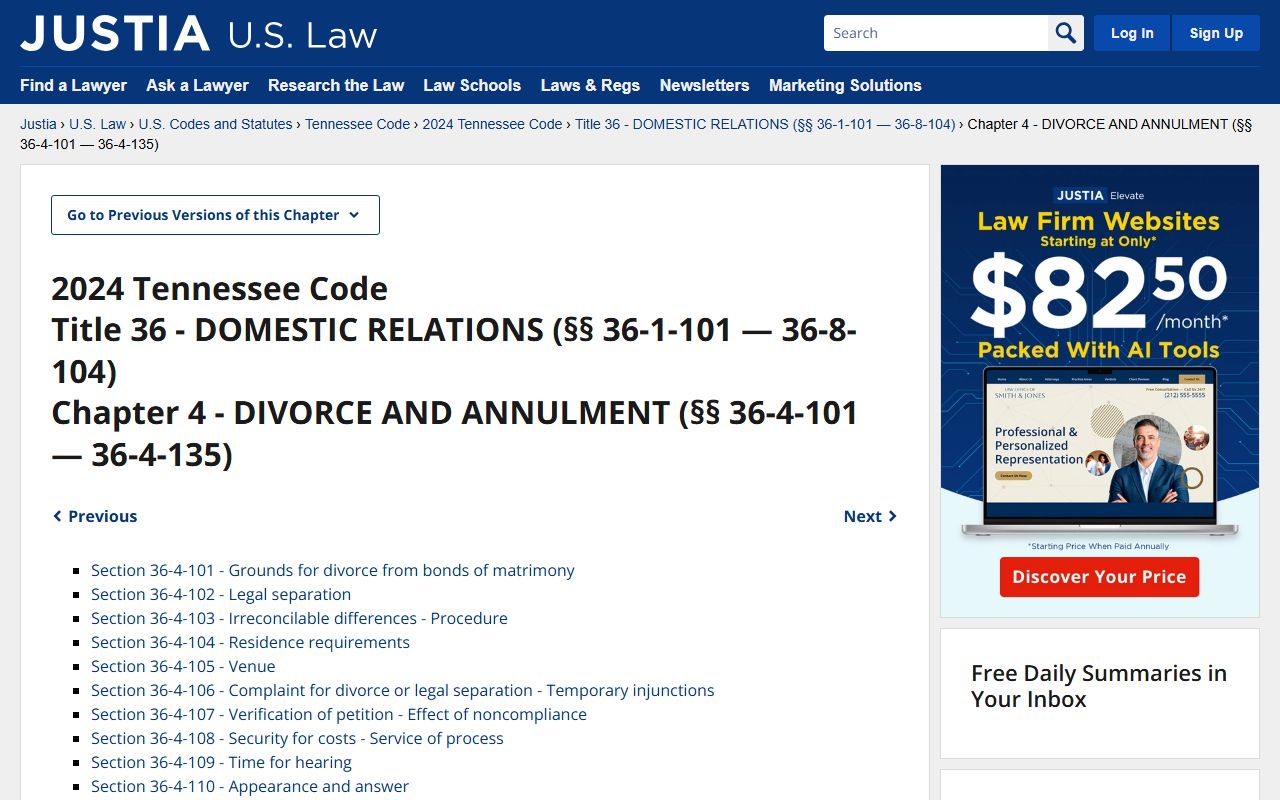
That legal backdrop helps explain why some Greene County files are short and others contain many more pages.
Copies, Forms, and Fees
Greene County copy fees depend on the office and the type of request. Tennessee's statewide fee schedule is a good benchmark, and it is easiest to understand through Tenn. Comp. R. & Regs. 1200-07-01-.13. That rule sets the search and copy fee for vital records work at $15 and makes clear that the search fee can still apply even when no record is found. If you need a certified divorce certificate, the Tennessee Office of Vital Records is the main state office to contact.
Requests usually need valid identification and the right request form. Mail requests commonly require a check or money order, while in-person service can accept several payment types. If you are trying to get a current certificate, the state vendor VitalChek is the approved online route noted in the research. For full court records, the Greene County clerk office can tell you what counts as a plain copy, what counts as a certified copy, and whether the file needs to be pulled from an older storage location.
Greene County searches are easier when you choose the right record before you pay.
Greene County Dissolution Of Marriage Sources
The Tennessee State Library and Archives at sos.tn.gov/products/tsla is the best backup source when a Greene County divorce is older than 50 years. The research says that older divorce records are transferred there for public access and family research. That makes TSLA a practical next step when the courthouse no longer keeps the active file. For a Greene County searcher, the archive is often the place where the trail picks back up after the local office stops.
The Tennessee Public Records Act guidance at comptroller.tn.gov/office-functions/open-records-counsel explains public access and response timing. It is useful when you want a county file, need to know how long a response may take, or need to understand why some details are redacted. The Tennessee Bar Association resource cited in the research at knoxbar.org adds legal help context for people who need more than a record search.
The Tennessee State Library and Archives page at sos.tn.gov/products/tsla is the main Greene County Dissolution Of Marriage fallback once the record falls outside the 50-year vital records window.

That access guidance helps when a Greene County office needs more time or must explain a limited release.
Greene County Dissolution Of Marriage Access
Greene County Dissolution Of Marriage records are generally public, but not every page is open in the same way. Sensitive financial details, minor-child information, and sealed filings can be redacted or withheld. That is normal in Tennessee family law. The public still gets access to most of the record, but the clerk may need to remove private details before making a copy. If you need a certificate for proof, say so. If you need the full file for court, make that clear too.
The Tennessee Court System at tncourts.gov is useful when you want forms, filing context, or a path back to the county office. The state rules on divorce also explain why a Greene County case may have a waiting period before final entry. Note: Greene County history is deep, so old files may sit in the archive path while newer cases stay with the active court office.