
Search Jackson County Dissolution Of Marriage
Jackson County Dissolution Of Marriage records usually begin in Gainesboro, where the county court office handles the local file path. When you need the complete case record, the county office is the right first stop. When you only need a certificate, the Tennessee Office of Vital Records can often move faster. Jackson County was created in 1801 from Smith County and Indian lands, so older family records can reach back into a long county history. A clean search starts with both spouse names, a rough filing year, and the county seat. That helps the clerk find the right file without extra back and forth.
Jackson County Quick Facts
Jackson County Dissolution Of Marriage Records
The county court page at tennesseecourts.org is the official local guide for Jackson County Dissolution Of Marriage records. The research says the Circuit Court Clerk is the official custodian and the Chancery Court handles divorce proceedings. That means a Jackson County case may be in the courthouse file even when a state certificate could satisfy a proof request. The best way to start is with the county seat and the year. Those two details narrow the search and tell the clerk whether to look in active records, older files, or archive material.
Jackson County marriage records begin in 1856, which can help connect a marriage entry to a later divorce file. That matters for both legal proof and family history work. If the divorce is more than 50 years old, the Tennessee State Library and Archives at sos.tn.gov may be the next stop. If it is recent, the county court office and the state certificate office remain the two main paths. The Tennessee Court System at tncourts.gov helps explain that county versus state split. The record you need should determine where you ask first.
The Jackson County court page at tennesseecourts.org gives the local starting point for Jackson County Dissolution Of Marriage searches and courthouse contact questions. The CDC Tennessee guide at cdc.gov also confirms the state retention and ID rules that apply when you request a certificate.
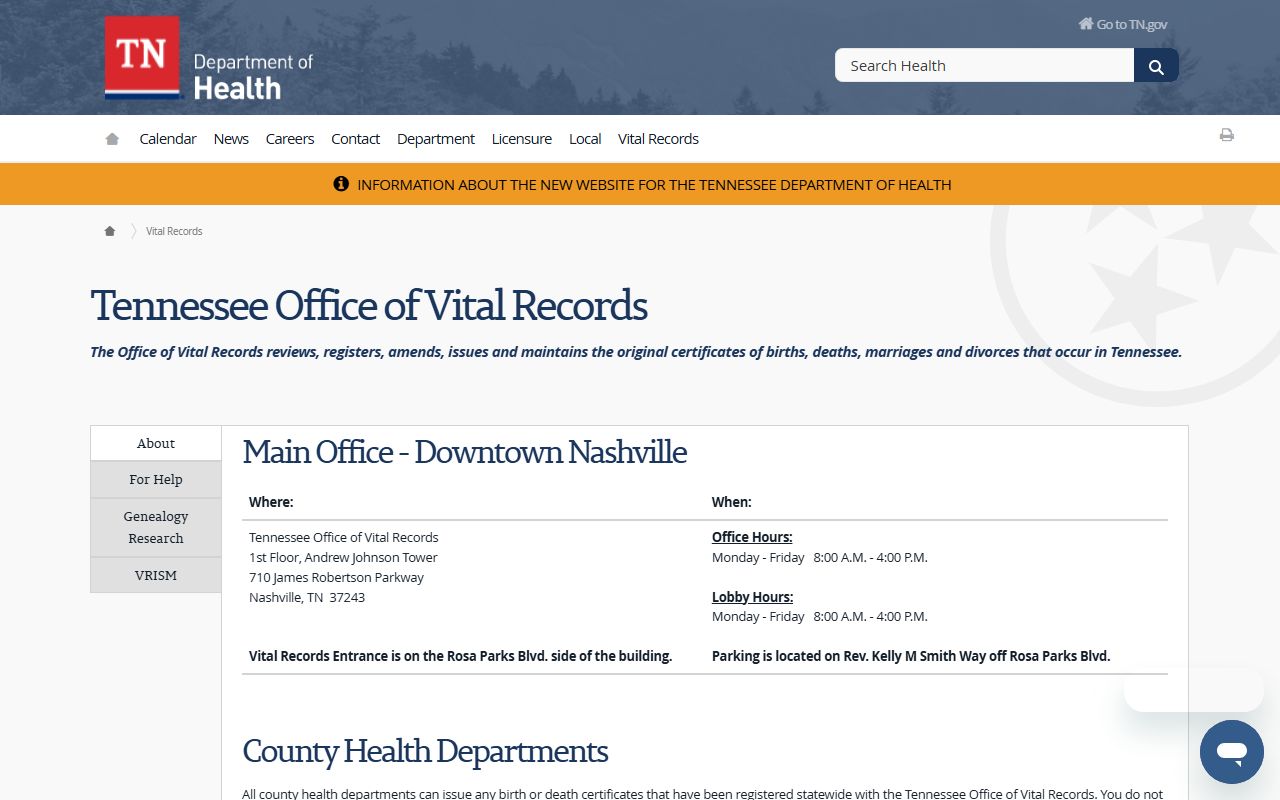
That state health page is the cleanest Tennessee entry point when you need a certificate rather than the whole court file.
Jackson County Dissolution Of Marriage Files
Jackson County divorce files can vary a lot. An agreed case may have only a few papers. A contested case can have a thicker file with motions, proofs, and property issues. That difference matters because the file is the full record of how the marriage ended. If you only need a certificate, the state route is simpler. If you need the decree, the county file is the real target. The file also tells you whether the case was by irreconcilable differences or a fault ground.
The Tennessee divorce statute chapter at T.C.A. Title 36, Chapter 4 explains the grounds, residency, and waiting periods that shape Jackson County Dissolution Of Marriage cases. Those rules affect how a file is built and how long it takes before a final order can be entered. A searcher who knows the case type can read the file more quickly. If you are comparing records, the statute chapter gives the legal backdrop for the documents in the courthouse packet.
The Tennessee divorce statutes page at law.justia.com is a solid reference for the rules behind Jackson County Dissolution Of Marriage filings and the documents that end up in the court record.
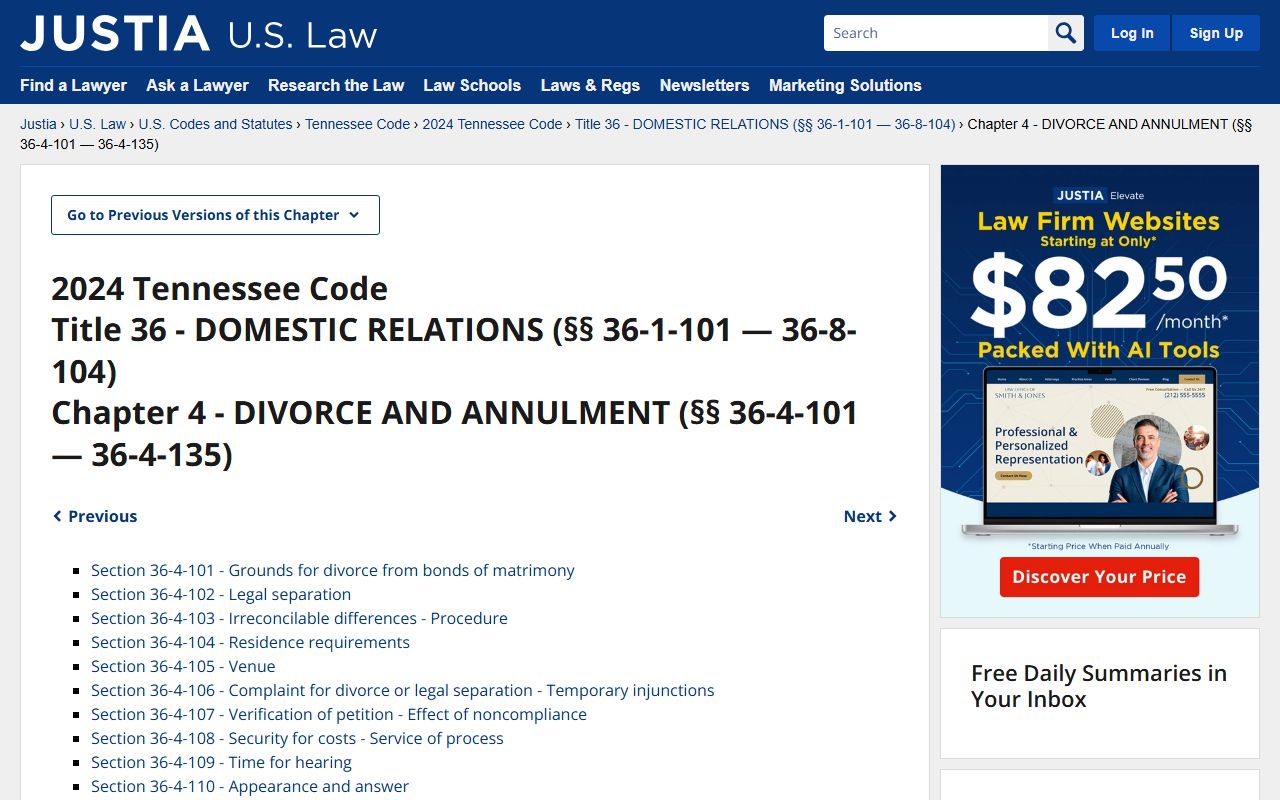
It helps explain why some Jackson County files are short while others are much more detailed.
Jackson County Dissolution Of Marriage Certificates
The Tennessee Office of Vital Records keeps divorce records for 50 years, which makes it the main state certificate path for many Jackson County requests. A certificate is a shorter record than the decree. It confirms the divorce happened and gives the names, date, and county, but it does not show the entire court decision. That is useful when you need proof, not the whole file.
Tennessee requires a signed ID copy and a proper request form. If the state cannot find the record, the search fee still applies. If you use the online path, VitalChek is the approved vendor named in the research. The state fee schedule is also clear. The search and copy charge is $15. That fee rule helps you plan the request before you send it. For very old files, TSLA may be the right next stop after the state window closes.
The Tennessee fee rule at Tenn. Comp. R. & Regs. 1200-07-01-.13 controls the search and copy charge for Jackson County Dissolution Of Marriage certificate requests made through Tennessee vital records.
The Tennessee fee schedule on Cornell Law School is a useful backup when you want to confirm the search fee before mailing a Jackson County request.
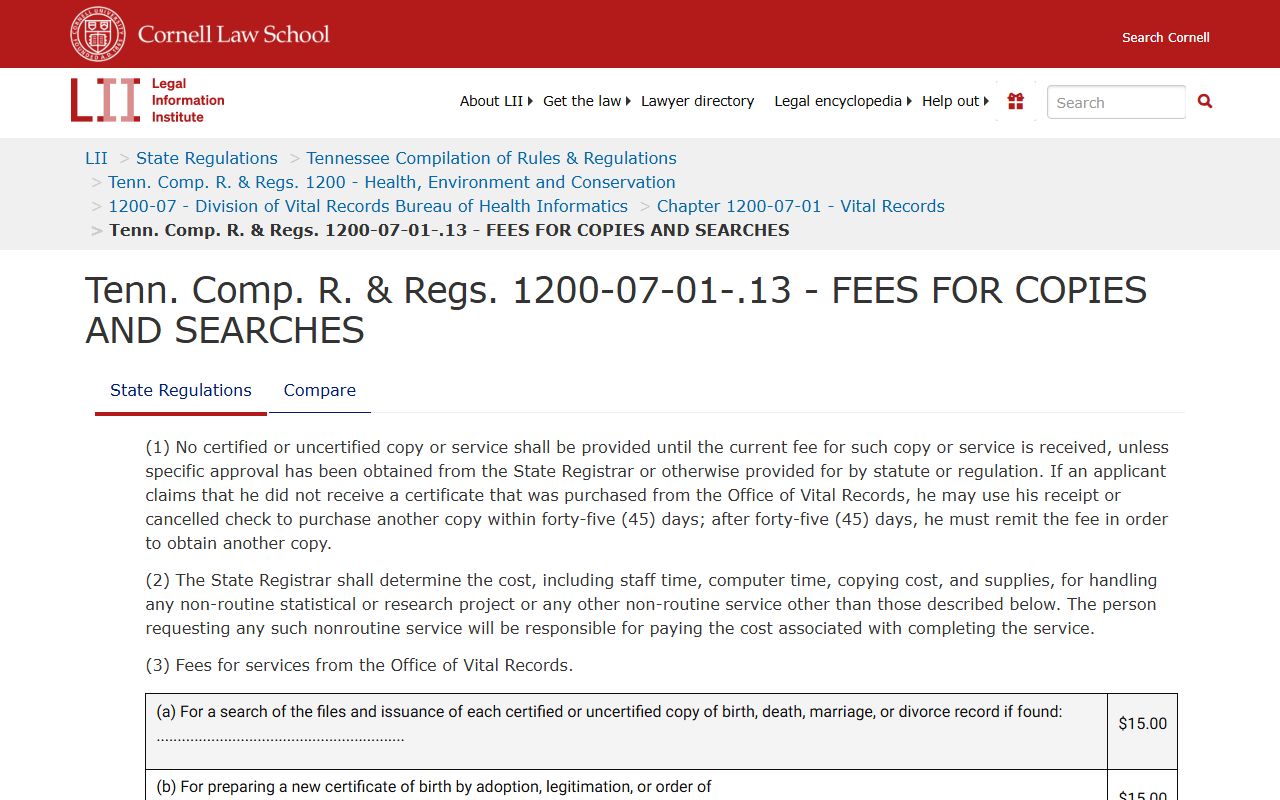
It explains why a Tennessee search can cost the same even when no record is found.
Jackson County Public Access
Jackson County access follows the Tennessee Public Records Act. The Office of Open Records Counsel says ready records should be produced promptly, and otherwise the county office should act within seven business days. That matters when a clerk needs time to pull a divorce file or check whether a paper is public. Some parts of a family case can still be redacted or sealed, especially when children or private finances are involved.
The public records guidance at comptroller.tn.gov gives Jackson County users the right access rule to follow for county file requests. If the case is old, that same path can help you decide whether to move on to TSLA. If the case is new, the county court office is still the first stop. A name, a year, and a county are usually enough to get the search moving.
The Tennessee Open Records Counsel page at comptroller.tn.gov is the best public access reference for Jackson County Dissolution Of Marriage records requested from a county office.

It is the right citation when a county office needs time to produce or review the file.
Jackson County Court Forms
The Tennessee Supreme Court approved agreed-divorce forms are also helpful in Jackson County. They show the documents used in simpler cases, including the complaint, the agreement, and the final order packet. Even if you are only searching, the packet gives you a good idea of what a county file may contain. It also helps you spot the difference between an agreed case and a contested one.
The Tennessee Courts forms page at tncourts.gov explains the filing packet and the 60-day and 90-day waiting periods that shape Tennessee divorce records. For Jackson County searchers, that context can help you understand why the county file may look different from the state certificate. The forms page is also useful if you are trying to reconstruct a missing document in the case file.
The Tennessee approved forms page at tncourts.gov is a practical Jackson County Dissolution Of Marriage reference when you want to see the papers used in agreed divorces.
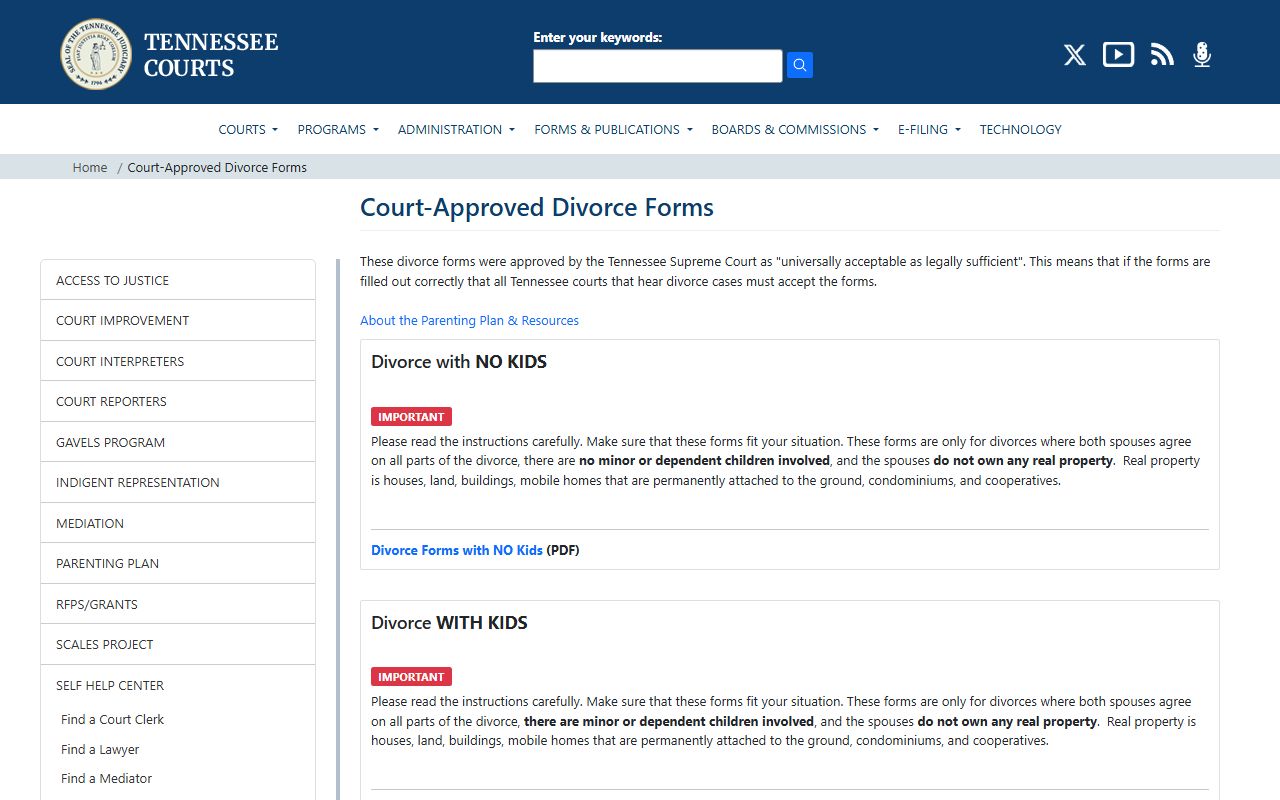
That forms packet helps you recognize the paper trail in a county divorce file.