
Search Johnson County Dissolution Of Marriage
Johnson County Dissolution Of Marriage records usually start at the county court in Mountain City, where the Circuit Court Clerk is the official custodian for court files and the Chancery Court handles divorce proceedings. Searchers often need a decree, a certificate, or older case papers, and each of those records can sit in a different place. The county clerk also keeps marriage records from 1836, which can help you connect the marriage to the later divorce. If the record is recent, the state vital records office is the cleanest first stop. Older records may move to the state archives.
Johnson County Quick Facts
Johnson County Dissolution Of Marriage Records
The main Johnson County source is the local court page at tennesseecourts.org/johnson-county. That page helps you reach the court office and confirms that divorce work runs through the county court system. In practical terms, a Johnson County search starts with the right office and the right record type. A county decree, a state certificate, and an old archive copy are not the same thing.
Johnson County was created in 1836 from Carter County, and that history matters when you are looking for an older file. Mountain City is the county seat, so most record requests end up tied to that local courthouse. If you know the spouse names and the rough filing year, you are already ahead. The clerk can use those facts to narrow a search, and that often saves time when the file is old or the case had a simple final decree.
The Johnson County court page is the best local starting point for Johnson County Dissolution Of Marriage records because it points to the office that actually keeps the file.
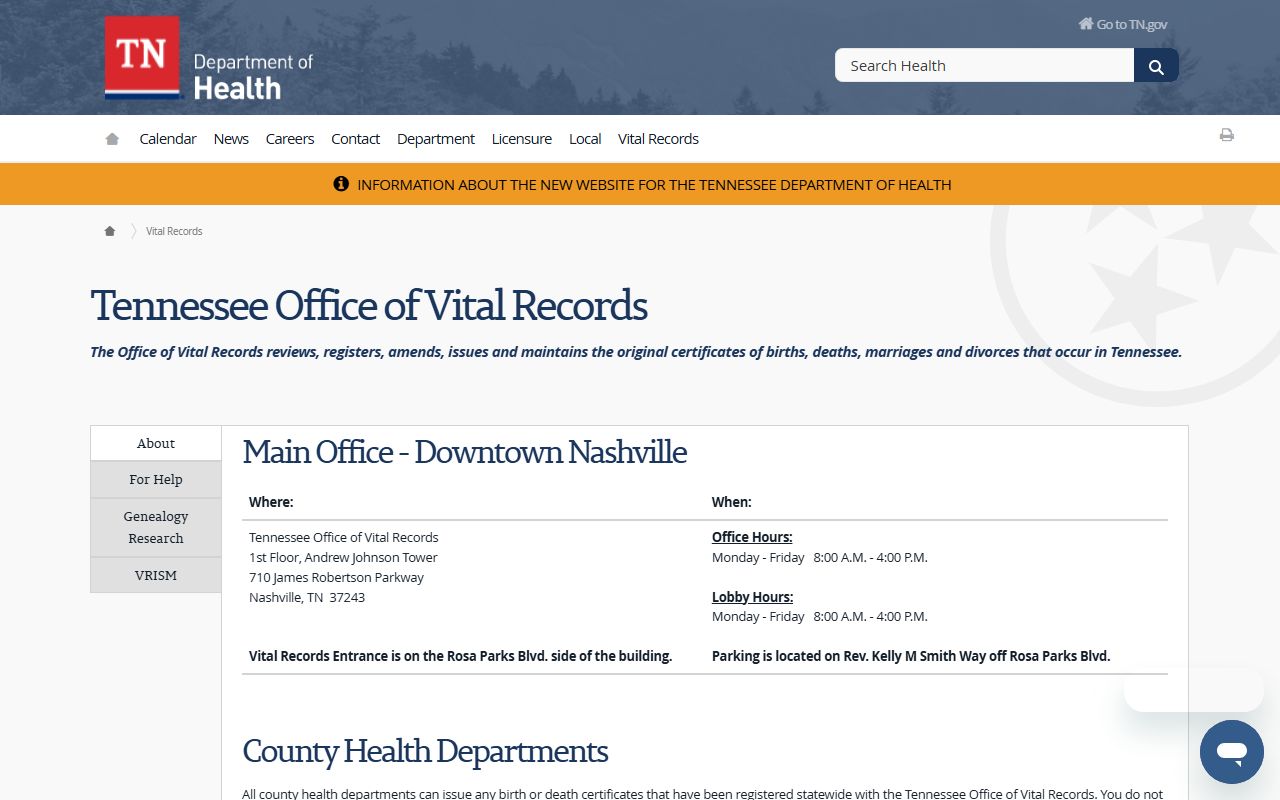
That state resource is the right fallback when you need a divorce certificate instead of the full county court file.
How To Search Johnson County Dissolution Of Marriage
Searches in Johnson County work best when you bring a small set of facts. The county court office can do more with a name and date range than with a vague request. If you have the exact case number, that is even better. If you do not, the spouse names and the year of filing are the next best clues. A clear request often leads to a faster response and fewer follow-up questions.
The Tennessee Court System at tncourts.gov is useful for statewide forms and court structure. It helps you understand where a Johnson County divorce should have been filed and what kind of papers may exist in the file. Agreed divorces and contested divorces do not create the same kind of record. That difference matters when you are trying to decide whether to ask for a full file, a copy of the decree, or a state certificate.
If you need a quick checklist for the clerk, use this one:
- Full names of both spouses
- Approximate filing year
- Case number if known
- Whether you need a decree or a certificate
That short list is enough for many Johnson County searches. It also keeps the request tied to the right county and the right record.
Johnson County Dissolution Of Marriage Files
A Johnson County court file can hold much more than the final decree. It may include the complaint, the response, a marital dissolution agreement, temporary orders, and the final judgment. If children or property were part of the case, those papers can show how the judge handled the issues. That is why the county file is often the best source when you need the full story of a dissolution case.
Tennessee divorce law at Title 36, Chapter 4 explains the rules that shape those records. The waiting period, the grounds for divorce, and the residency rules all affect what lands in the file. Johnson County cases that used irreconcilable differences may have a slim paper trail, while contested cases may be thicker and more detailed. Either way, the county file is usually more complete than a state certificate.
Johnson County marriage records go back to 1836. That helps when the divorce date is uncertain or when you need to tie a later decree to an earlier marriage record. The clerk can often use that older book trail to support a broader family history search. If the record is too old for active custody, the Tennessee State Library and Archives may be the next place to check.
Note: A Johnson County divorce certificate only confirms the divorce. It does not replace the county case file when you need the decree language or the court orders.
Johnson County Fees And Copies
Copy and search fees can vary by office, but the state certificate fee is fixed by Tennessee rule. Under Tenn. Comp. R. & Regs. 1200-07-01-.13, the search and copy charge for a divorce certificate is $15, even if the record is not found. That is important in Johnson County because a search request still costs money even when the clerk or the state does not locate the record.
The Tennessee Office of Vital Records in Nashville also requires a signed ID copy with requests, and mail requests are paid by check or money order. If you are ordering a county court copy, ask the clerk what their copy policy is before you travel. The county office may have separate plain copy and certified copy fees, and older records can take longer if they need to be pulled from storage or matched against an archive reference.
When you need only a proof record, the state route is usually the simplest Johnson County option. When you need the whole file, the county clerk is the better fit.
State Sources For Johnson County
Johnson County searches often move between local and state sources. The Tennessee Office of Vital Records at tn.gov handles the state certificate side. The CDC Tennessee page at cdc.gov repeats the state rules on retention, ID, and payment, which gives you a second check before you send a request. That is useful when you are trying to avoid a wasted search.
Older Johnson County files may end up at the Tennessee State Library and Archives, which is where the historical trail can continue after the 50-year state retention window. The archive is the better place for older Tennessee divorce history, while the county court remains the place for the current file. If you need forms for an active case, the Tennessee Supreme Court forms page can also help show what a dissolution packet may include.
The CDC Tennessee page is a reliable backup reference when you are confirming Johnson County Dissolution Of Marriage certificate rules.
Johnson County Older Records
The Tennessee State Library and Archives at sos.tn.gov/products/tsla is the next stop when a Johnson County search reaches back past the active state retention window. That matters for older divorce work, because the archive can keep the paper trail alive after the county file is no longer active. If you are researching a long family line, that archive path can matter more than a fresh certificate.
The Tennessee Supreme Court approved forms page at tncourts.gov/node/622453 can help you understand the paper set used in agreed Tennessee divorces. For legal help, the resource page cited in the research at knoxbar.org is a practical support link when a record search turns into a filing or family-law question. Those links round out the Johnson County path from court file to archive to help resource.
Johnson County Public Access
Johnson County Dissolution Of Marriage records are generally public in Tennessee, but not every page in a file is equally open. Child data, financial numbers, and other private details may be sealed or redacted. That is normal. The public records guidance from the Tennessee Comptroller explains how public records requests work and how agencies should respond when a record is not ready right away.
The Tennessee Public Records Act guidance at comptroller.tn.gov is useful when you are requesting a county file and want to know what response time to expect. If the clerk needs more time, that office should explain the delay. If the record is ready, you should get it without a lot of back and forth. That is the normal path for Johnson County and for most Tennessee record searches.
Note: Older Johnson County divorce records are more likely to need a county search plus a state archive check, so a single office may not close the loop.