
Marshall County Dissolution Of Marriage
Marshall County Dissolution Of Marriage records usually start with the local clerk office in Lewisburg and then move into state sources if the file is older or if you only need a certificate. That difference matters. Some searchers need the full decree. Others only need a short proof of the divorce. A county court file, a Tennessee certificate, and an archive copy each serve a different purpose. If you know the spouses, the filing year, and which record you want, the Marshall County search becomes much cleaner.
Marshall County Quick Facts
Marshall County Dissolution Of Marriage Records
The county court page at tennesseecourts.org is the local starting point. The research says the Circuit Court Clerk is the official custodian, and Chancery Court may also handle divorce work. That makes Marshall County court-centered. The clerk office in Lewisburg can help with active files, copies, and older docket leads. For a shorter proof record, Tennessee Vital Records is the state route for recent divorce certificates.
Marshall County was created in 1836 from Giles, Lincoln, Maury, and Bedford counties. That matters when you search old family records because the marriage may be in the county clerk books while the divorce appears in a different shelf or archive path. County clerk marriage records go back to 1836. That gives you a starting point for the marriage before you look for the dissolution. If the file is old enough, TSLA can take over as the next research stop.
The county court page at tennesseecourts.org is the best local starting point for Marshall County Dissolution Of Marriage records and clerk contact guidance.
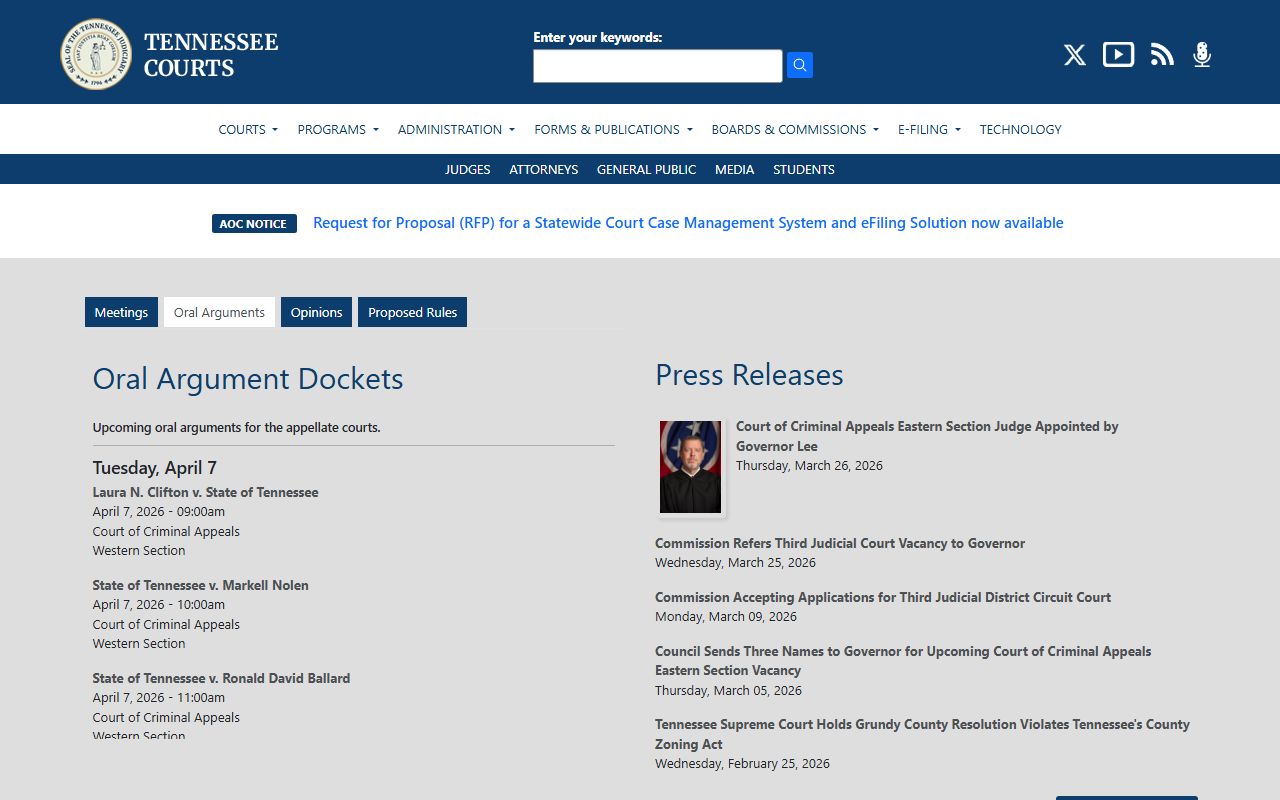
That state court page helps when you want to see the court structure before you visit the clerk.
Search Marshall County Dissolution Of Marriage
Marshall County search work starts best with names, dates, and the right office. The additional research says online access is limited, so a written request or a clerk visit is common. The clerk office can search by names, dates, and case numbers. If you want a plain copy, ask for that. If you need a certified copy, say that up front. That keeps the Lewisburg office from having to guess what version you need.
The research also points to tncrtinfo.com and tncourts.gov as useful Marshall County search tools. The statewide system gives you a court path, while the clerk office handles the local file. Standard Tennessee rates, a written request, and valid ID still apply when you ask for certified copies. Processing often runs five to ten business days when the record is not ready on the shelf.
Useful details for a Marshall County Dissolution Of Marriage request:
- Spouse names as filed
- Approximate divorce year
- Case number, if you know it
- Whether you need a decree or certificate
- Written request and valid ID for certified copies
Those details help the Lewisburg office pull the right Marshall County record faster.
Marshall County Dissolution Of Marriage Files
A Marshall County court file can include the complaint, response, orders, agreements, and final decree. The decree is the main paper for most people. It shows the marriage ended and may show the court terms too. If the case was agreed, the file may be slim. If it was contested, the file can be much larger. That difference matters when you choose between a quick certificate and the full case packet.
Marshall County marriage books begin in 1836, so the marriage record can help you anchor the family line before you search for the divorce. If the file has moved out of active custody, TSLA or a clerk archive lead may be the next step. That is common in older Tennessee family searches. It does not mean the record is gone. It just means the search path changed.
State Sources For Marshall County Dissolution Of Marriage
The Tennessee Office of Vital Records at tn.gov is the state route for recent Marshall County divorce certificates. The CDC Tennessee page at cdc.gov repeats the same retention and ID rules. If the record is older than 50 years, the Tennessee State Library and Archives at sos.tn.gov is the next likely stop.
Certificates and decrees solve different problems. A certificate proves the divorce happened. A decree shows what the court ordered. If you need to prove a name change or a status change, the certificate may be enough. If you need terms or court language, ask for the decree. Marshall County users often need both over time, so it is wise to keep the record type clear before you pay.
The Tennessee fee regulation page at law.cornell.edu explains search and copy charges tied to Tennessee vital records work.

Use that state access guidance when you need to understand how Tennessee handles public records requests.
Public Access In Marshall County
Marshall County Dissolution Of Marriage records are public in Tennessee, but the response still goes through the records process. The Office of Open Records Counsel at comptroller.tn.gov explains how requests should be made and how quickly a custodian should answer. Some pages may be redacted, and older files may need more time to pull. That is normal in county court work.
Tennessee Supreme Court approved divorce forms at tncourts.gov help you see the kinds of papers likely to appear in the file. Agreed divorces use a smaller packet. Contested cases create more paper. Tennessee waiting periods also shape the record. The state requires 60 days when there are no minor children and 90 days when there are minor children. That timeline affects how fast a Marshall County case can be final.
Note: If a Marshall County file is old, the clerk may point you toward TSLA or a clerk archive path instead of the active cabinet.