
Wayne County Dissolution Of Marriage
Wayne County Dissolution Of Marriage records can take a little more patience than records in a larger Tennessee county. The research says online details are limited, so the best path is often a direct county contact in Waynesboro. That said, the record trail is still clear. The county court keeps the local file, Tennessee Vital Records keeps recent divorce certificates for 50 years, and the Tennessee State Library and Archives can hold older material once the state transfer window opens.
Wayne County Quick Facts
Wayne County Dissolution Of Marriage Records
The Wayne County Circuit Court keeps the local divorce file, and the county research says Circuit and Chancery Courts share jurisdiction over divorce matters. That means the record may sit in one court or the other, depending on how the case was handled. The county seat is Waynesboro, and the research points searchers toward direct county contact because the online trail is limited. When you need the full court file, that county office matters more than the statewide certificate office.
Wayne County was created in 1817 from Hickman County and Indian lands, and it was named for Anthony Wayne. That is useful when you are tracing older family records or trying to match a long-ago marriage to a later divorce. The historic county setup can explain why some records are local, some are archived, and some are easiest to reach through the state certificate office rather than a current online docket. Wayne County Dissolution Of Marriage searches work best when you begin with a name and an approximate year.
The Tennessee Vital Records page at tn.gov is the cleanest state source for a Wayne County divorce certificate.
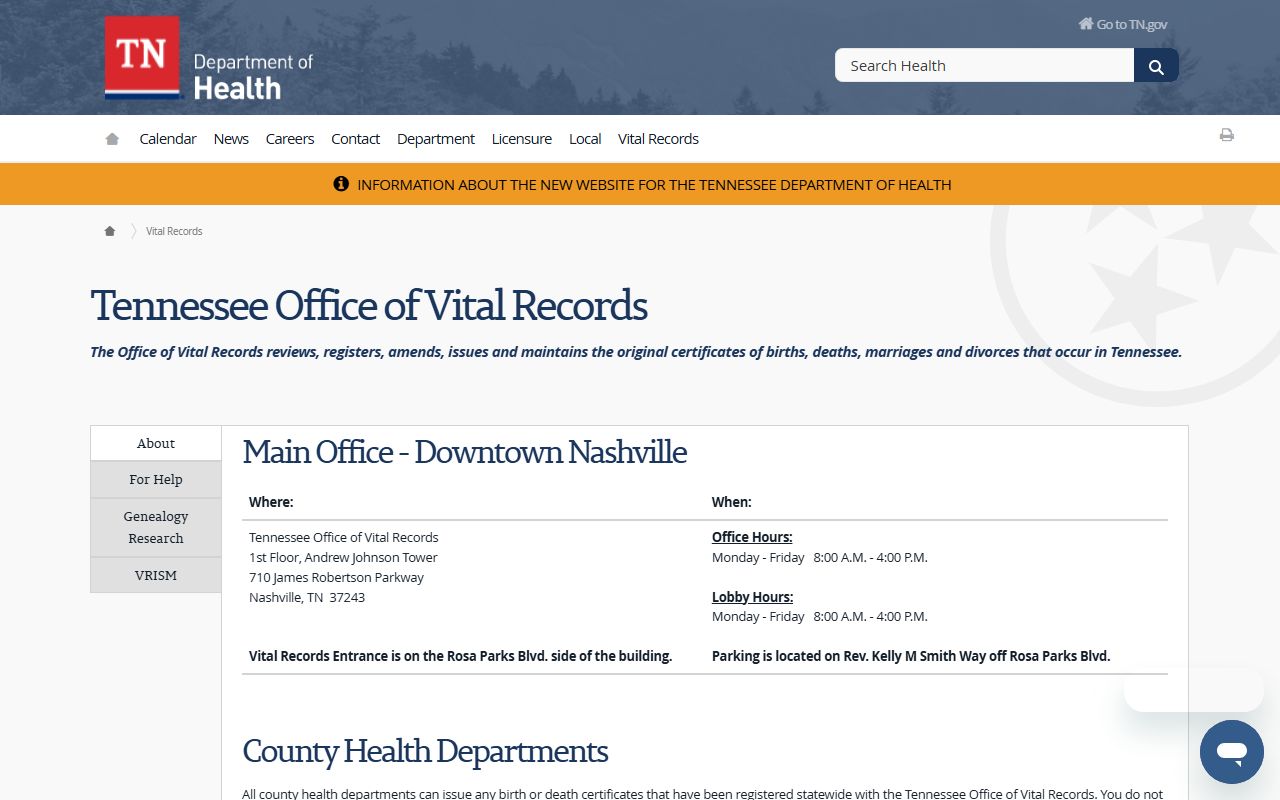
Use that path when you need proof that the divorce happened, not the full court file.
| Court | Wayne County Circuit Court |
|---|---|
| County Seat | Waynesboro, Tennessee |
| Access | Contact the county directly or visit in person |
How to Search Wayne County Dissolution Of Marriage
Wayne County records are best approached with a short, direct plan. The research says in-person requests are recommended, and that is a good fit when the online trail is thin. Start with the county seat in Waynesboro and ask for the court file first. If you only need a short proof record, move to Tennessee Vital Records. If the divorce is older than 50 years, be ready to check the archive side of the system. That ordering saves time and cuts down on duplicate requests.
It also helps to bring a clean set of facts. A spouse name, a rough year, and the county are usually enough to start. If you know the case number, that narrows the file search even more. Wayne County does not present itself as a wide-open online index county, so a good paper or in-person request still matters. That is normal for a county with limited online detail and a clear county-office search path.
Write the request in plain words.
- Full legal name of at least one spouse
- Approximate year of filing or decree
- Wayne County or Waynesboro as the location
- Whether you need the decree or a certificate
That keeps the county clerk from having to guess what you want. It also makes the search cleaner when the record is old.
Wayne County Court Access
The county research says Circuit and Chancery Courts have concurrent jurisdiction in Wayne County. That matters because the court of record may not be the same court that handled another family case. If you are searching for a divorce record, the local court file is the place that matters first. The state certificate can confirm the event, but it will not show the full case history. Wayne County searchers should also expect some trips to be manual rather than digital.
The Tennessee Court System helps explain the broader divorce process. Tennessee divorce law requires residency, recognizes fault and no-fault grounds, and uses waiting periods that depend on whether minor children are involved. Those statewide rules shape the Wayne County court file, even when the local office is the one holding the paper. The court system page also helps searchers understand where forms come from and why the county file may include an agreement, a complaint, an answer, and a final decree.
The Tennessee Court System page at tncourts.gov is a useful state-level guide for Wayne County Dissolution Of Marriage case structure.
That page helps explain how the county case fits into the statewide divorce process.
Wayne County Dissolution Of Marriage Fees
The Tennessee fee regulation is the best fixed point for Wayne County searchers. A divorce certificate search or certified copy costs $15, and the same fee can still apply if the record is not found. That is important because it means a search itself is a billable service, not just a successful copy order. Tennessee also wants a valid government ID and the right payee name for mailed requests. If you want speed, the state-approved VitalChek vendor is the online route named in the research.
For the county court file, fee amounts depend on the clerk office and the copy type. A plain copy and a certified copy are not the same thing, and the county office will tell you which one you need. Wayne County users who are unsure should ask whether the record is active, stored, or better requested from the state side. That question can save money, especially if the file is older than the current vital-records window.
The fee schedule at law.cornell.edu explains Tennessee's $15 search and copy rule for divorce records.
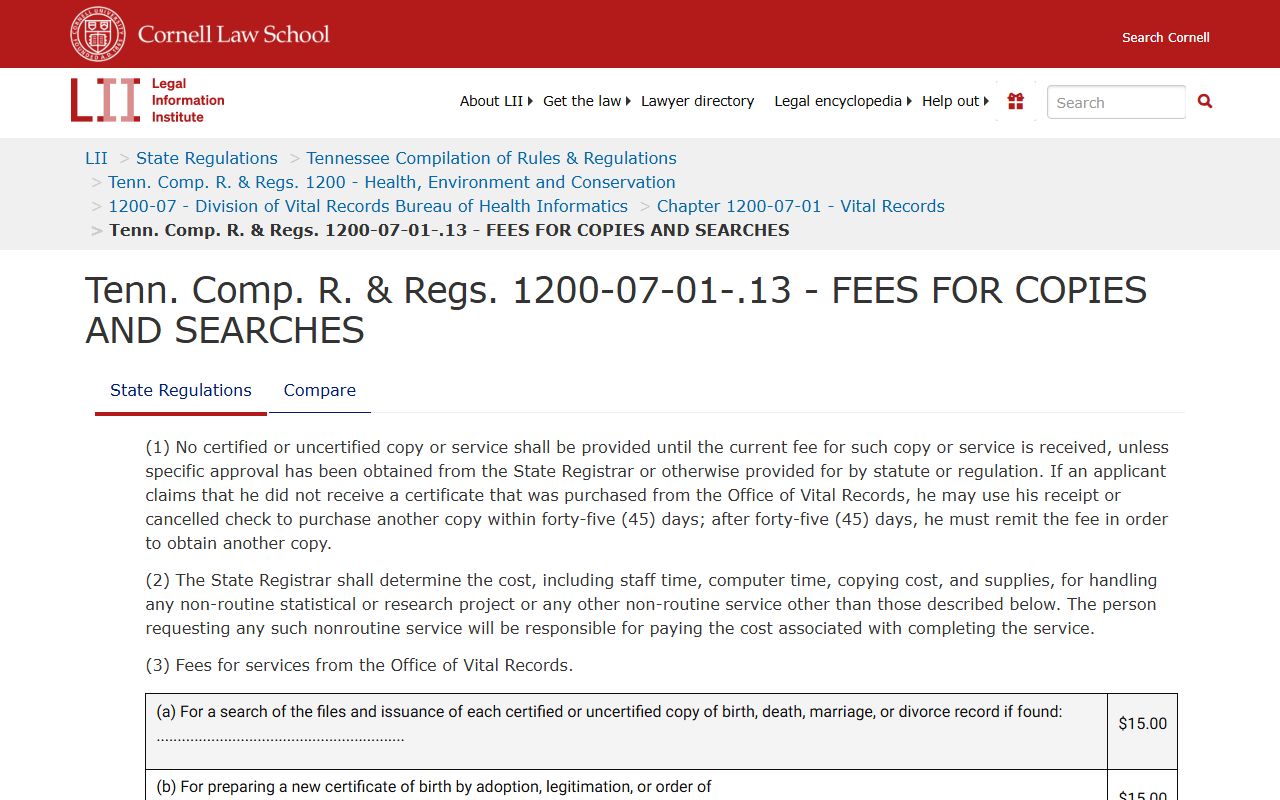
That state fee page is the easiest way to confirm the current search charge before you order anything.
State Sources For Wayne County
Wayne County searches often move into the state archive world. The Tennessee Office of Vital Records holds divorce certificates for 50 years, then older records transfer to the Tennessee State Library and Archives. TSLA is where a historical Wayne County record may surface when the local court office no longer has the active file in easy reach. The archive also matters when the search is tied to family history instead of a live legal need.
The CDC Tennessee page confirms the same retention rule and reminds users that a divorce from another state must be requested in that state. The Tennessee Public Records Act guidance is also useful when a Wayne County office needs time to respond or explain why a copy is redacted. If you need forms, the Tennessee Supreme Court approved divorce packet gives you a sense of what papers may be in the file. Those state sources do not replace the county office, but they make the path clearer when the county detail is sparse.
The Tennessee State Library and Archives page at sos.tn.gov is the best archive path for older Wayne County Dissolution Of Marriage records.

Use that access guidance when a county office needs time or a file is partly restricted.
The Tennessee Supreme Court divorce forms page at tncourts.gov shows the packet used for agreed divorces in Tennessee.
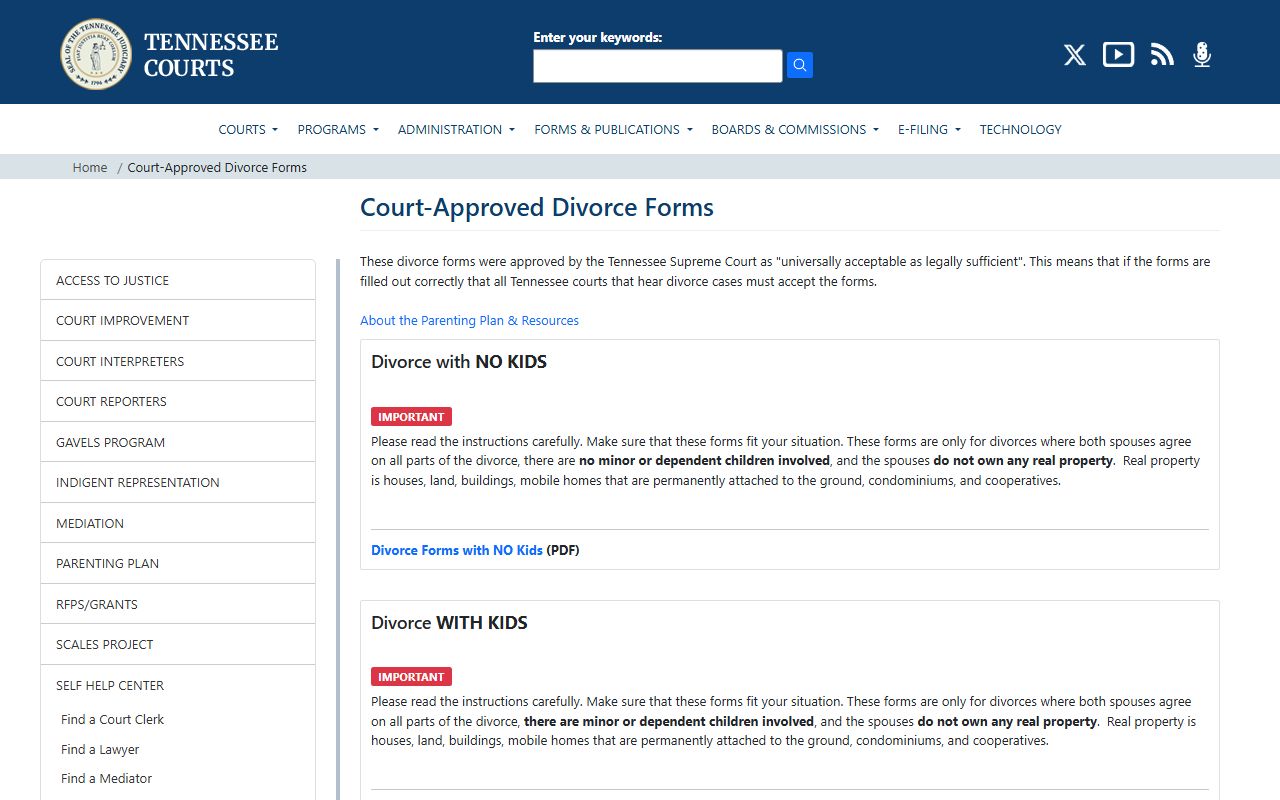
That form packet is useful when you want to know what the county file should include.
Wayne County Public Records
Public access in Wayne County follows Tennessee rules, but some details stay closed. Divorce case files are generally public records, yet child information, sealed filings, and sensitive financial data can be withheld or redacted. That is normal and does not mean the file is unavailable. It means the clerk may issue a cleaner public copy. Wayne County searchers who need a certified copy for legal use should say that at the start so the office knows whether to prepare a certified decree or only a search result.
Note: Wayne County online detail is limited, so a good in-person or mailed request is often the fastest path. If the record is old, the archive and state certificate routes should be checked too. Between the county office, Tennessee Vital Records, and TSLA, Wayne County Dissolution Of Marriage searches still have a clear path even when the web trail is short.